Author: mirosol (Page 26 of 29)

Colorless writings, part 3 – The Madness

Third part of these articles takes a look on the madness that eats up every tone freak person.

Madness? What are you talking about?

Dealing with used gear, guitars, effect, amps, you name it, you’ll need to be in contact with the people who are more or less tone freaks. It is rare that you can buy or sell a pedal from someone who doesn’t know what he/she is buying or selling. Those occasions are usually benefitting me and all the others who know their stuff. But these moments are rare. I’ve met people who are 10 years (or more) younger than me that list hundreds of instruments they’ve tried and used to own. I’ve met older people with spark ignited after they have turned 50. There’s one thing common with these people and me. All of us are on the hunt for sounds and nuances that are new to us. We all are on the hunt for that exact tone that may not even exist. There won’t ever be a person who has played with every single stompbox design ever released.  Every piece of the puzzle affects every other piece. To be more exact, there are basically four common variables:  Guitar, Effects/Pedals, Amplifier and the Cabinet

We could add cables to the mix, but unless you are not using the cheapest cables that came with your sister’s karaoke set, the audible difference can be debated for a long time. I mean that if you’re using good basic cables, you’re going to be fine and you don’t have to bother yourself with that. Back to the variables. Change one item in that chain, and the overall tone will change. You’ll be able to hear the differences. Always. That’s why i think most of the pedal demos are just wrong. You might get the idea what is happening, but you won’t have any real surface to the sound before you’ve played the pedal with your own  gear. Commercial instances who make the demos are usually trying to sell more stuff they have on stock, so the demo should sound good. When was the last time you saw a stomp box demo that was truly and constructively critical about the product? I surely can’t remember seeing one.

Someone could write an article about his hunt and catch, but then again, that article would only cover the hunt for his/her preferences. Some people even hunt the existing tones. Some are deliberately trying to match D. Dimebag, B. Corgan, J. Mascis, S.R. Vaughn, Slash, EVH and so on. To be honest, i feel slightly sorry for these guys spending massive ammounts of money to nail the sound that already exists. I also feel slightly sorry for myself and rest of the world who are trying to nail what they think will be the greatest tone ever – spending massive amounts of money trying to get there.

This is where the madness steps in. May the goal be whatever, the gear that needs to be tested to get there will always be a lot. Not to mention that human mind is pretty stupid thing. If you eat oatmeal every morning with peaches, you’re going to end up hating both in just a few years. There is always that one little thing that could work and/or sound just a little better or different. This is the main reason why we need pedals.

So the madness is the hunt for tone?

Basically no.  Not everyone playing a guitar/bass is affected by the consuming mental phenomena. But it turns to madness when you have more than 50 pedals, more than 20 guitars or more than five vacuum tube amps. We are called hoarders in some parts of the society. Some people will even go deeper than that. Like myself, i want to understand how and why the tone sounds like it does. I need to understand it. In some cases i might even trust my knowledge of electronics theory more than my own ears. That’s what makes this a madness. And the endless yearning for more of unexplored tones.

I can’t take myself too seriously. If i did i’d be already too deep – past the point of no return. Some people will always collect automobiles and some get their kicks from collecting stamps or vinyl records. I find my inner peace from electric guitars and sounds created with pedals, amps and those guitars. Yes it does interfere with my everyday life. Just as much as my everyday life interferes with my electronics. Once you are too deep, you’ll know it. I wouldn’t recommend this to anyone, but once you’re in there – you’ll know what i’m talking about.

Ah. I think i get it. The madness is when you don’t care about anything else but the tone?

Now we’re getting closer. In the past i watched TV. In the past i jogged considerably long distances. In the past i needed to get drunk way too often. I may be getting fatter and out of shape, but i really don’t care. Sometimes i even forget to eat. All of this because i do my best to get even deeper in the understanding of tone. I’ve been at this for a few years and i’m still learning new things every day. Not a day goes by that i don’t think about this stuff. It is my stuff. I live and breathe it. It is my sound.

I just happen to know that this is the chosen way of life to others too. None of us will ever be able to verbally express why this sound like that and why that sounds like this. We all just know it by heart and by gut feeling. When we rather spent our last pennies on rare 70’s pedal than get our fridges full to support our bodily functions for the next three weeks – that’s when it goes past the limit. That’s when we’re in the zone. That’s the madness. Couldn’t say that i didn’t like it here.
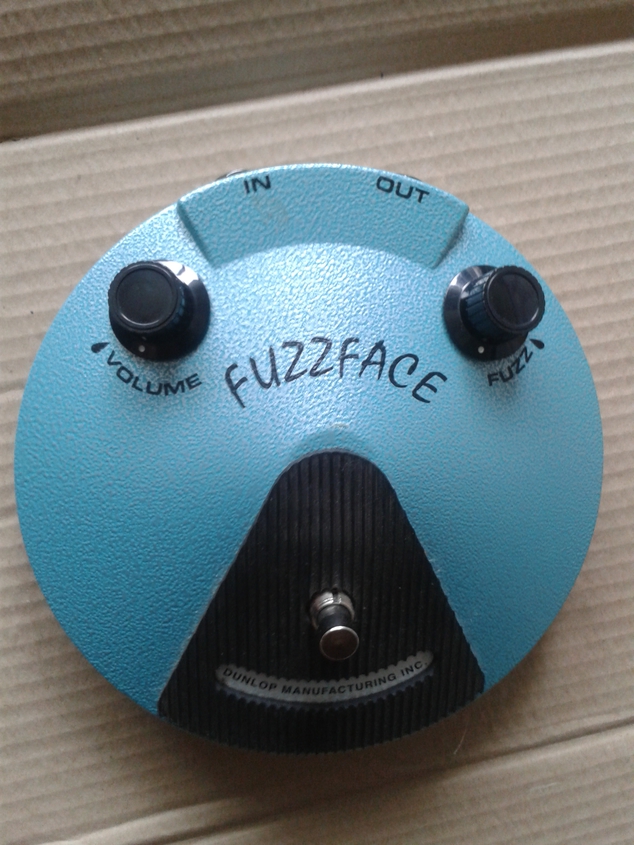
Dunlop JH-F1 Fuzz Face

Dunlop-JHF1-FuzzFace

What is it?
Dunlop JH-1F Fuzz Face. BC108 Si transistors and branded as “Authentic Hendrix”. Manufactured around 09-11.

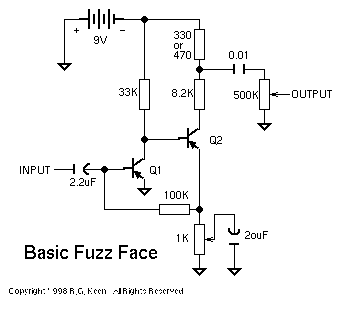
The Fuzz Face is one of those that everyone should play at some point. Because if they haven’t, they’re really missing out on a lot. Fuzz is not a distrtion as in Overdrive/Distortion. Not at all. Usually your standard fuzzes are created by pair of transistors driving the hell out of each other, or shunt-series-feedback amplifiers. The basic schematic is very simple (courtesy of GEO). It’s a nine component circuit, plus two pots. As for the origins of Fuzz Face, well. The Vox/Solasound Tonebender had been released earlier in the same year, 1966. So there’s a chance that the Fuzz Face may be the first known example in a very long history of a company ripping off other company’s design.. But let’s get back to this particular unit.

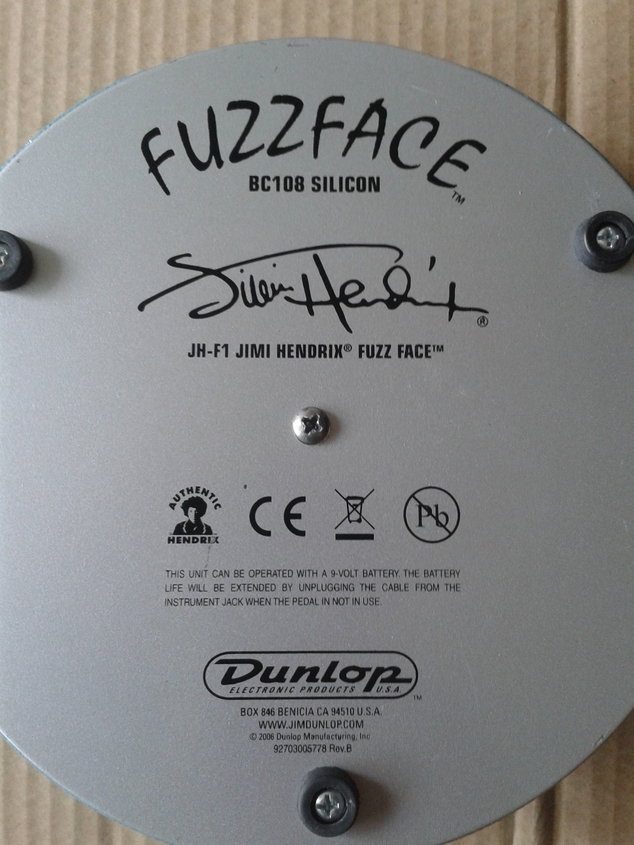
Dunlop-JHF1-FuzzFace-back

Backplate has “Athentic Hendrix” stamp right next to all the common modern day labels. Yes. It’s lead free. Reportedly, mr. Hendrix used original germainum version until he got fed up with unreliable behaviour that comes naturally with Ge-devices. So he later on used only the version with Si-transistors. In which point the microphone stand bottom inspired enclosure turned blue, i really can’t tell. Must be earlier than when Arbiter reissues were assimilated by Dunlop as i’ve seen couple of old Arbiter units in blue for sale (needless to say that you’ll buy a car for that amount of money..). Anyway, the transistors in JH’s unit were BC108Cs. A lot higher in hFE gains than original NTK275 versions. Nowadays commonly loved Fuzz Face transistors, the AC128 were introduced much later in a Dallas Arbiter reissues.

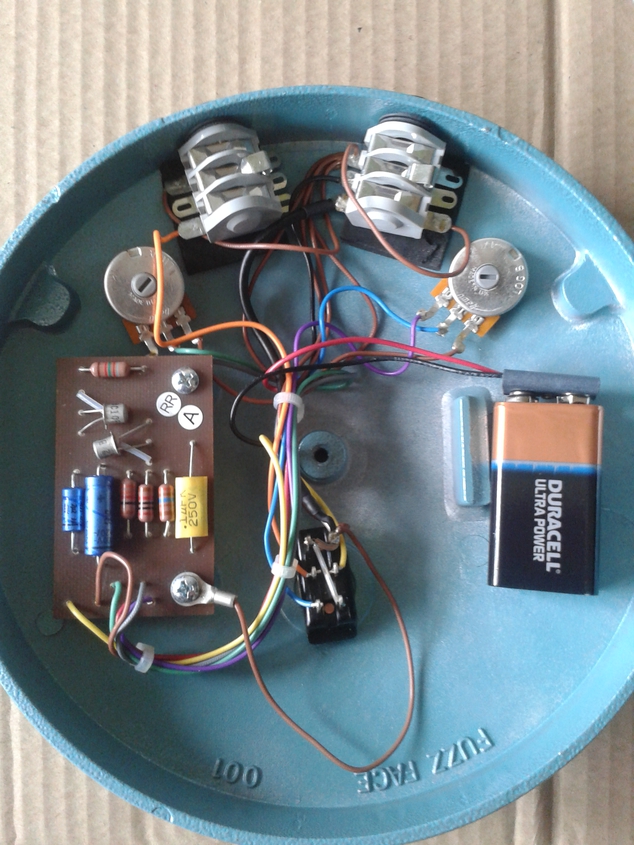
Dunlop-JHF1-FuzzFace-guts1

Insides look like they are true to the original unit. Board layout and resistors are as expected. There are no modern day luxuries here! No indicator LED, nor power jack. Just a crude place for a 9V battery. 26mm pots and big semi-closed jacks. At first glance, in all the simplicity it is quite beautiful.

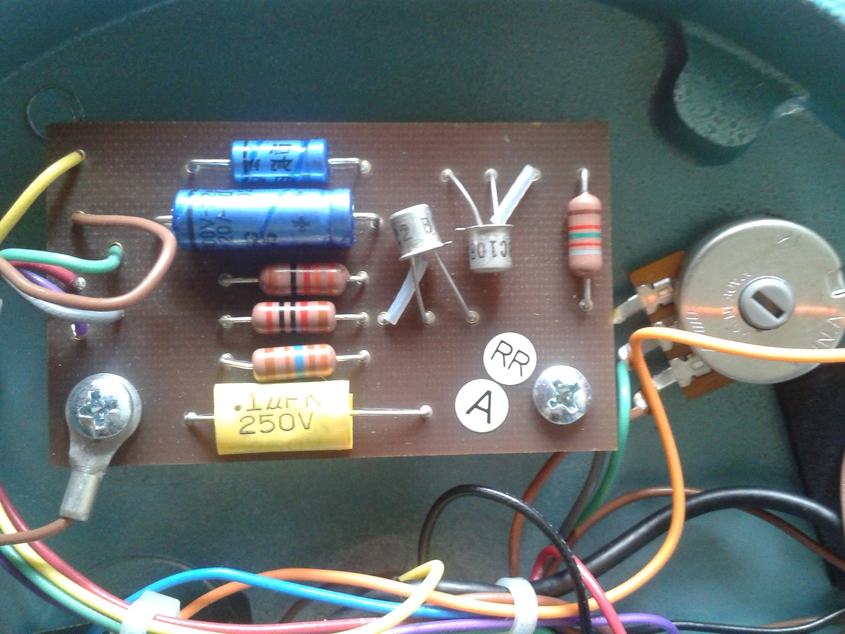
Dunlop-JHF1-FuzzFace-guts2

Board has everything laid out neatly. Four carbon comp resistors, two Philips electrolytic caps and one poly cap – Which looks to me like it is 100nF and not 10 as in basic schematic. Looking deeper in to it, there are different versions of Fuzz Face. So hold the press. There should be trimmers, hidden caps and resistors.. And there are…

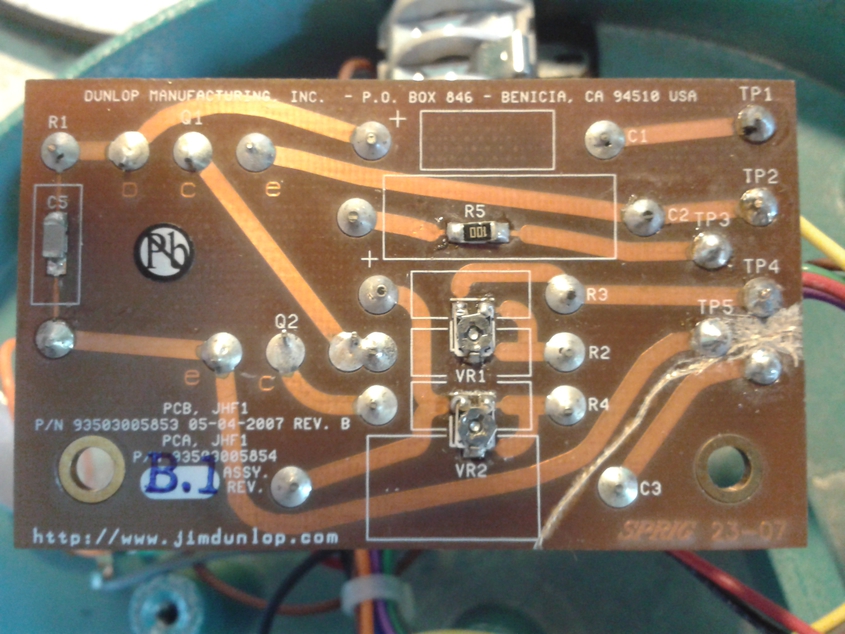
Dunlop-JHF1-FuzzFace-guts3

Unscrewing the board shows the Borg. The face is still there (and it is blue), but inside there’s the Locutus. SMD bias trimmers and tamer caps and so on. At first this unit sounded like it was slightly misbiased, but i thought that was a feature with BC108 transistors. In fact the trimmers were misbiased. No wonder the guy i got this from couldn’t get it thing to sound right. Tuned them by ear and got it running like it probably should. And just look at how the short on the right edge is fixed. You may now have a better idea why i sold off all my Dunlop made MXRs. I’m wondering if i should sell this off too as it gives me more reasons to dislike Jim Dunlop Manufacturing. Their plectrums are very good though… Sad thing you can’t score these for cheap. If you could, you should really think about getting a reproduction PCB and rebuilding the insides to match the 60’s specs with NKT275s. Maybe even repaint the enclosure to get your Picard back.

How does it sound?
Just as i expected. Harsher and colder than germanium versions i’ve played with. Actually. The guy i got this unit from told me that he bought it when he was after that “Fu Manchu” sound and got dissappointed. At that time i didn’t know that the unit was blue and it puzzled me a bit. Once i opened up the parcel, i wrote him back saying, “no wonder you couldn’t get it to sound right”. It sounds almost like a fuzz face, but in reality it is the day of the undead. Resistance is not futile. I’m thinking that i should probably stick with pedals with through hole components. You know, to stay organic. If you are looking for this exact sound, you should probably seek for modern chinese clone called “Blue Faze”. It is 1:1 and does not try to hide that it is the Borg. Plus it has all the modern day luxuries in miniature enclosure that sort of looks like three cubes in attack formation..

Pearl F-605 Electro Echo Analog Delay

Pearl-ElectroEcho

What is it?
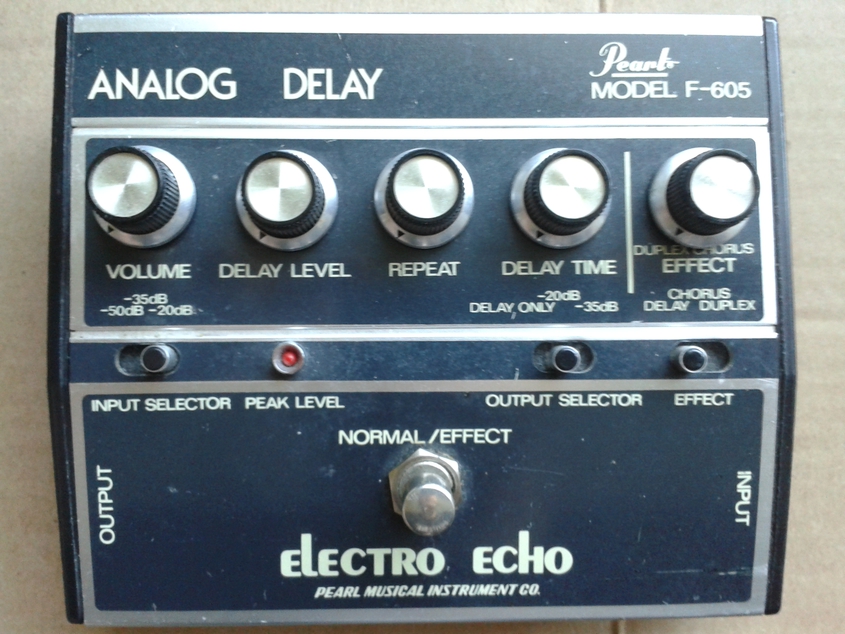
Pearl Model F-605 Electro Echo Analog Delay, made in japan around 1977-79.

Saw this unit for sale and couldn’t help myself. Even if it meant that i was to eat dry bread for the rest of the month. Price wasn’t too bad, and i wouldn’t sell this for the price i got it – never. As analog delays come, this may be one of the greatest. It has input and output level selectors, which make it usable with synthesizers and other devices with line level output. In/out level settings depicted in the photo above work reasonably well with electric guitar.

Three modes on the right are Delay, Chorus and Duplex. Duplex, like the name suggests, mixes both delay and chorus together, resulting in quite spacious soundscapes. Unit runs on 12V DC supply or two 9V batteries. The latter seems to be quite a standard for these older designs. The photo below shows the circuit board. It’s pretty crammed…

Pearl-ElectroEcho-Guts

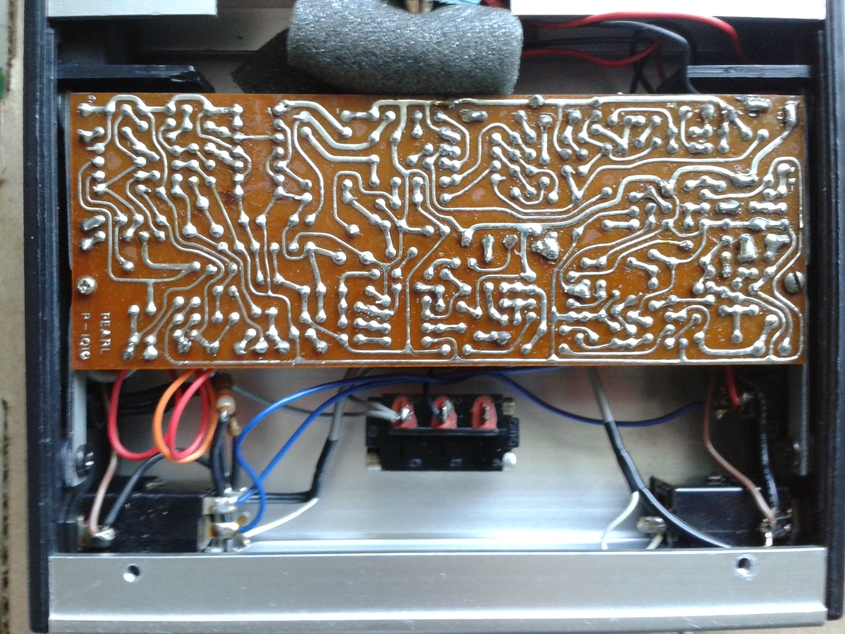
But the traces are neat and the design looks pleasing. That box could have housed a bigger board, but i do find this tightness intriguing. Board designer shows some great disipline. I didn’t take the pots off, so you’ll need to live with a shot of raised board. Yup. It is crammed.

Pearl-ElectroEcho-Guts2

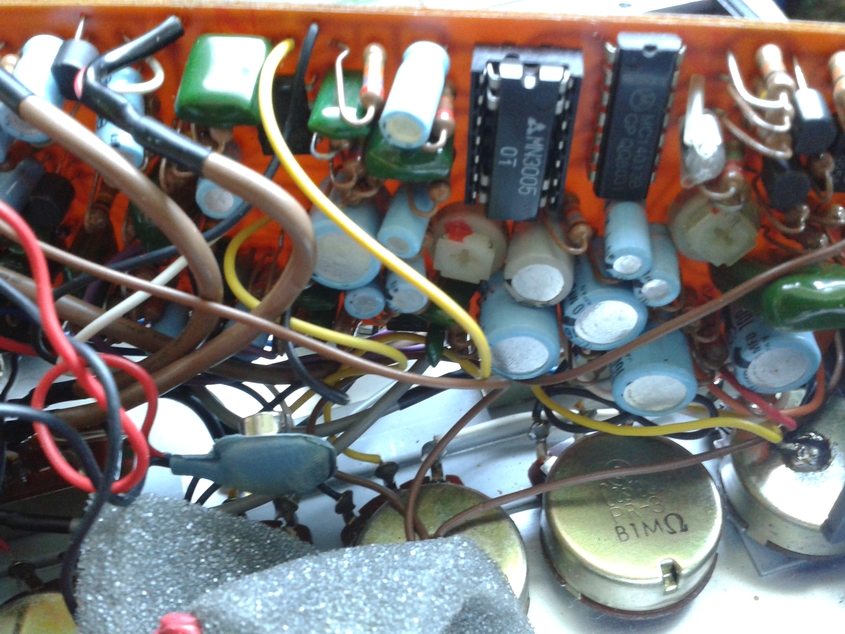
The chip responsible for the delay is MN3005, a 4096-stage long delay BBD (Bucket-brigade device). I know i should dig deeper to the design to see what’s really happening in there, but this seem quite complicated analog delay device to begin with. I may have to start with something a little more straight forward.

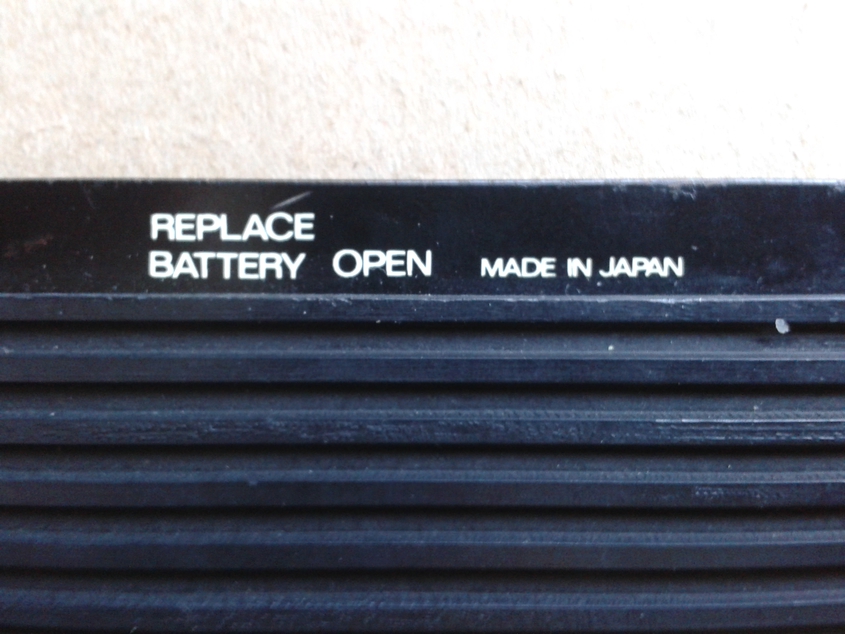
Anyway. As a closing, here’s a shot of the bottom plate. Everyone will get what the text means, but i think that grammar beats even mine.

Pearl-ElectroEcho-Back

How does it sound?
One of the best analog delays i’ve played with. Versatile design that has useful modulation section. Not really sure if these units were meant to be guitar effects in the first place, but it works and sounds.. Well. Analog. Overall, analog delays have their own character which is in many ways worse than modern PT2399 or otherwise digital based delays. This one has cool vintage clang to it, which is not too bad. Unit may be collectible, but i can already see myself using it next time i’m in studio…

UPDATE! There’s a traced schematic up at Freestompboxes (for those who have an user account). This shows there’s no regulator at the power supply side. On battery use, the unit uses 18V, but the dc jack has 12V 300mA printed next to it. This being said, the unit sounds awesome on battery and a power supply that gives 15V and >100mA out. Since the batteries can handle about 20 minutes of use and 12V supply sounds like s**t, i’m under impression that the label next to DC jack is in error. If you have one, feed it with 15V supply and be amazed.

Danelectro DJ9 Surf & Turf Compressor

DJ9-Surf-n-Turf

What is it?
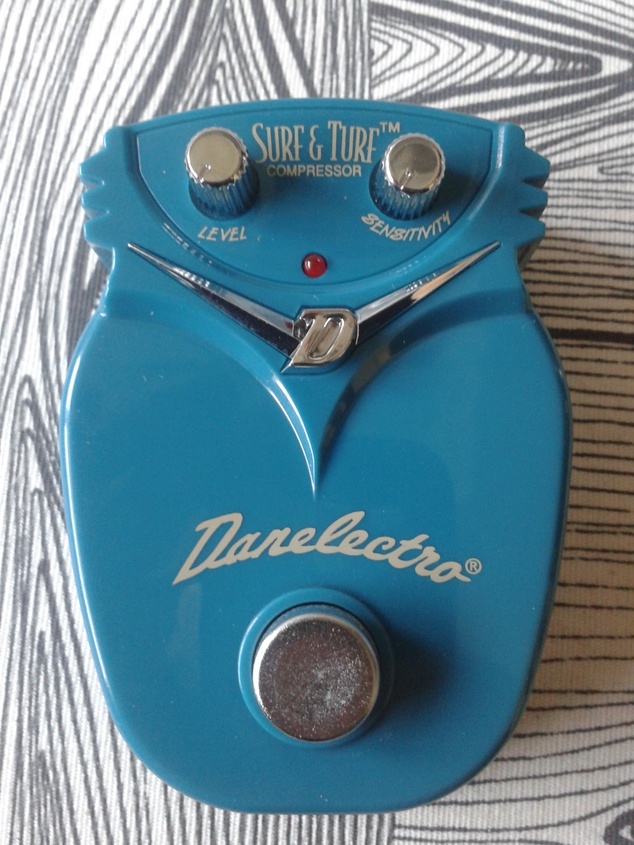
Danelectro DJ-9 Surf & Turf compressor from Mini series.

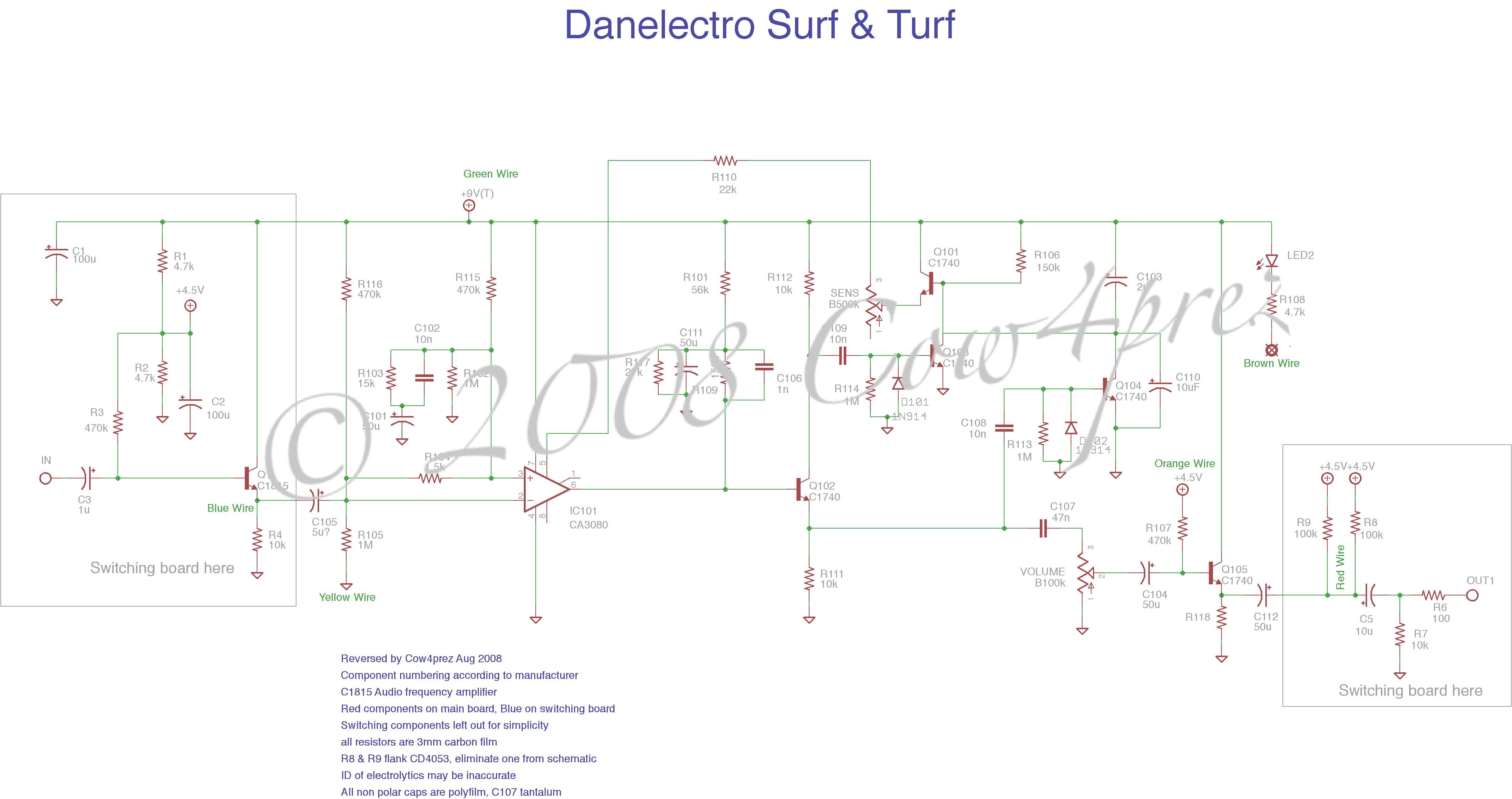
Finally. One of these that make the original look bad. Like i”ve pointed out on numerous occasions, to refine or rediesign existing design, the result should always be better than the original. Not much poin if it isn’t. Here we have your standard CA3080 OTA-based compressor that derives from Dyna/Ross. In reality the design is so close, that there’s not that much difference to the original 70s designs. You can do the comparison yourself. Surf & Turf by Cow4prez and original Dyna by AMZFX.

DJ9-Surf-n-Turf-guts

Prime example of succesful redesign. Even if the build quality of my unit is slightly sub-par in build quality with the best ones in the mini series, it’s still good. Much better unit to spend your hard earned cash on than current Dunlop Dyna.

How does it sound?
Close, if not exactly the sound of old 70s Dyna comp in compact box. Meaning that it is not the shock effect like current Dunlop versions, but the usable, warm compression with slight vintage mush due to its operational transconductance amplifier. So in a few words – really good sounding usable compressor.

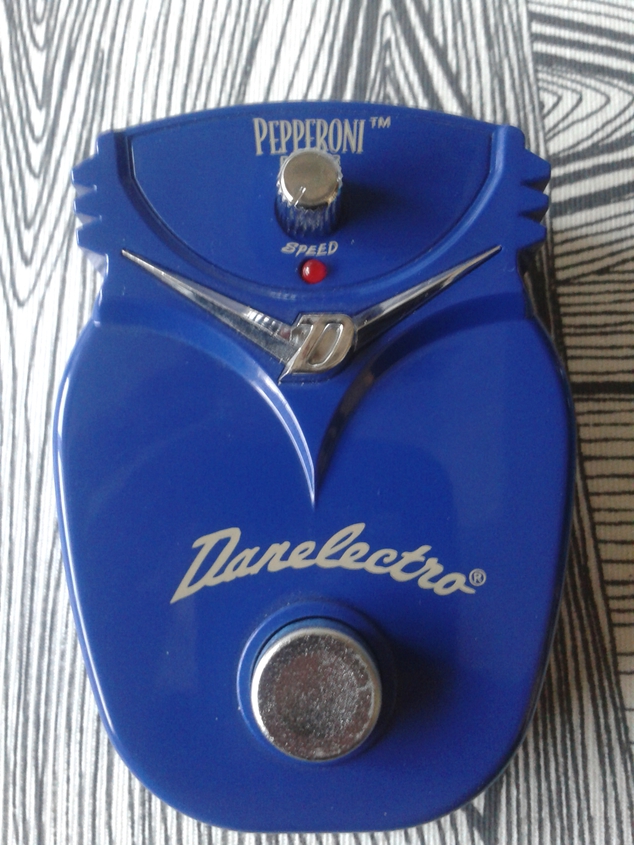
Danelectro DJ6 Pepperoni Phaser

DJ6-Pepperoni

What is it?
Danelectro DJ-6 Pepperoni Phaser from the Dano Mini series.

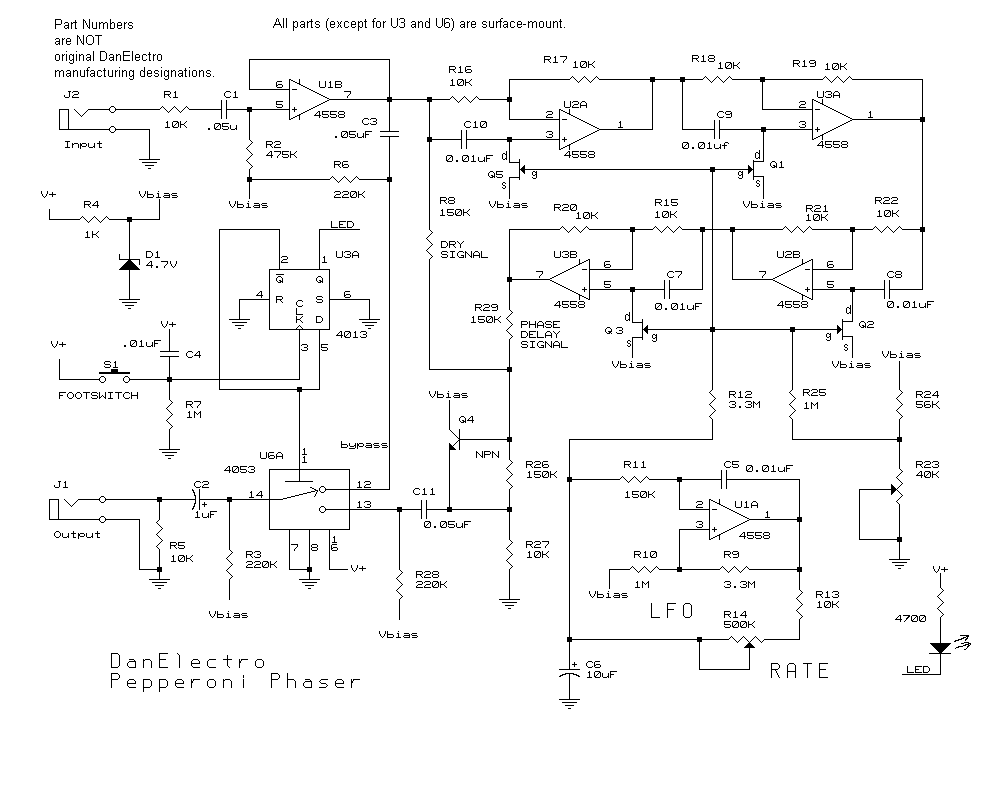
Standard mini plasticky box. Bought it for cheap and now that i have it – i can say that no-one should pay good money for this. Mine came in as horribly misbiased, so i needes to tweak it quite a bit to get it running as it should. Although i’m not using a lot of pahsers, i tend to like them. Which leads to me having a few. The schematic is posted at Experimentalists Anonymous, and it shows the design to be very similar to Phase90 and many other four stage phasers. Accompanied with your standard Danelectro electronic switching, the build quality seems ok, if not better than average minis.

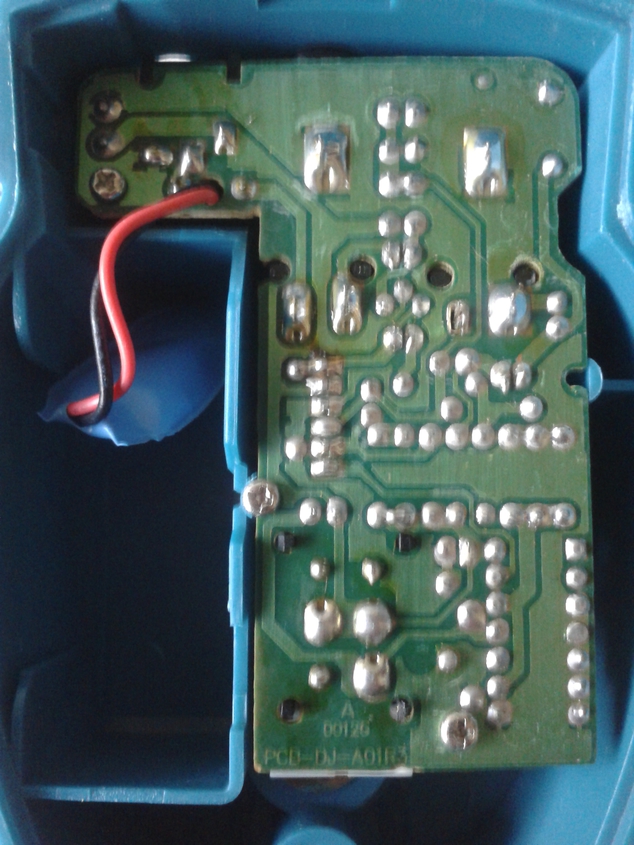
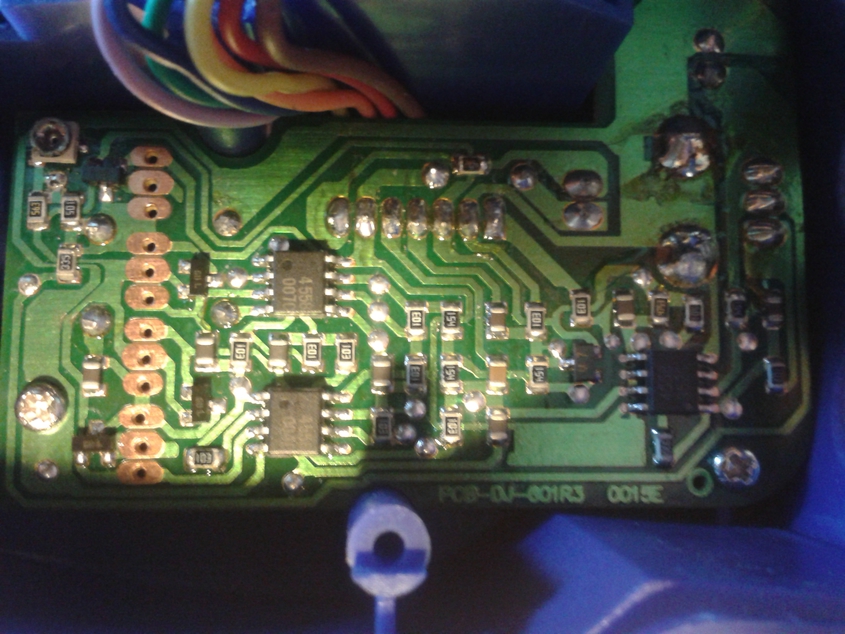
DJ6-Pepperoni-guts

Note the empty pads. Those are for through-hole JFETs. I enjoy running into such curiosity. Definitely something that i didn’t expect to see.

In general the layout, all SMD construction and everything else is on par with mini other series boxes.  Could be a nice, small footprint alternative to Phase 90. Assuming you can get one of these for next to nothing. Otherwise it may not be worth the trouble.

How does it sound?
Not too good, but to my ears the overall sound is better than current reproduction versions of MXR Phase90, which is very overrated phaser. The bias trimmer may need adjustment, as for my unit the setting was off enough to kill the whole signal on certain parts of the sweep. To get it just right, the trimmer needs to be turned very, very carefully. I do suspect that the SMD JFETs are not as perfect match for each other as they should be. So taking a use of empty pads and using your own matched quartet of JFETs could be a nice improvement.

Danelectro DJ1 Pastrami Mini Overdrive

DJ1-Pastrami

What is it?
Danelectro DJ-1 Pastrami Mini Overdrive. First in Dano’s mini boxes. Got this from a friend. Thanks Mr. Järvi!

Not bad at all. Like many in this series, the soldering leaves me wanting more quality, but otherwise there’s not that much bad to say about this. The schematic can be found on FSB. There’s nothing new or super special in there, just succesful mash of basic gain and recovery stages with LED clipping.

Designwise this is definitely a great overdrive with personal character. With this simple design, i’m really not interested if it is supposed to be a copy of some popular design. It doesn’t sound like any of the big names, so i’d leave it at that.

DJ1-Pastrami-guts

I’ve built a clone with my own mods to this as it bothered me that the level control mixes the makeup/recovery gain stage input with gorund. This method doesn’t leave enough room for low gain and volume maxed. Also, bigger resistor to set lowest possible gain higher than stock will be a good idea. My mods have the original level control transformed into a SWTC2 and the new level control taken to more conventional place – the output. LED clipping is at home on this design.

How does it sound?
Think of your weekend morning rice crispies. Crunchy medium gain with moderate output. Usable and recommended crunch. The LEDs give out their trademark sound for clipping on this one. After playing with one of these intensively, one can spot the sound of LEDs being used as clippers on other designs too.  Easily the best OD/Dist unit in this series.

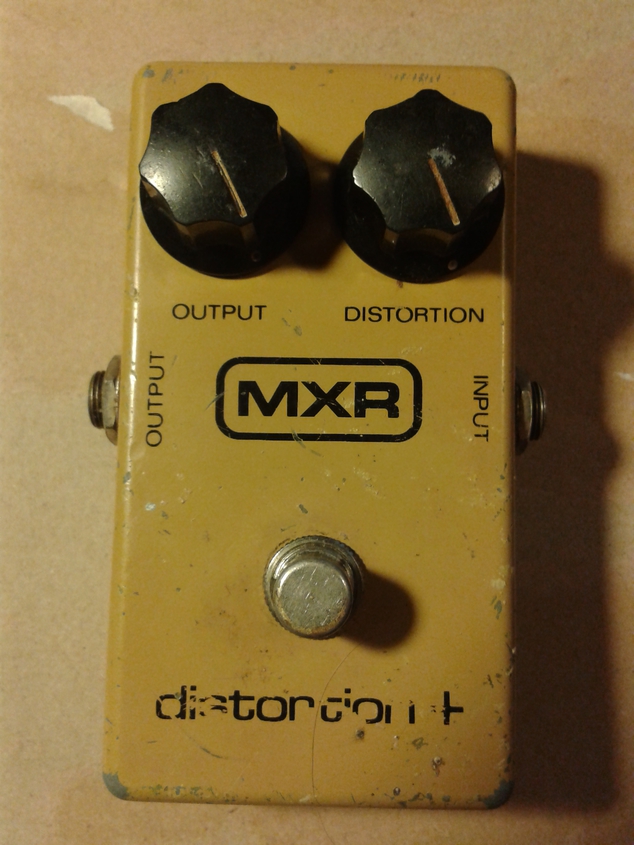
MXR Distortion+

MXR-Dist+

What is it?
MXR Distrotion+, block logo and no LED. Dating back all the way to 1977.

Got this unit as an addon to one special deal. The deal was so good that i thought that someone was trying to to setup a oldschool swindle and rip me off of my money. Turned out that “too good to be true” deal was in fact true. Ended up with metal boxed SF5 and TS5 and this unit for a price that you’ll never see. Let the sum be a secret between me and the seller (Thanks Marko!), who bought this used back in 1990.

MXR-Dist+guts1

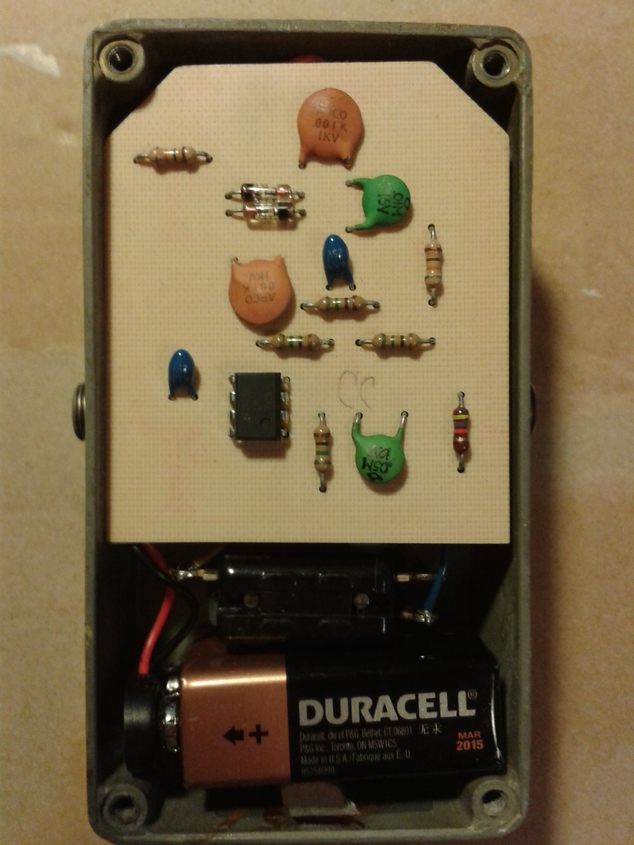
First of all, the unit was not in working condition. Opened it up and it was pretty obvious why it wasn’t working. The input jack and board input were shorted and the output jack didn’t connect to anything. I measured the switch, and while it was a bit wonky, it worked. Used some solvent to clean it and now it works almost as new. Soldered the mixed wires to their rightful places and tried again. Nothing. Seller told me that the pedal might have had an incident where it was fed a wrong polarity. Since the design doesn’t incorporate any sort of polarity protection as it’s meant to be used with battery only, one of the previous owners drilled a hole to the front panel to place a battery adapter to original battery snap. The snap was gone too. All the components measured correct, except for the UA741 opamp. The output pin was getting nearly 8 volts while both inputs measured correct near Vref voltages.  So my diagnosis was that the opamp had suffered a trauma from reverse polarity and that had burned the chip to the point where it leaked most of the supply voltage to the output of the opamp. As i don’t have notable vintage supply of 35+ year old components, i had to sub that opamp for LM741, which is the same thing – just manufactured a lot later. After those repairs the circuit fired up.

MXR-Dist+guts2

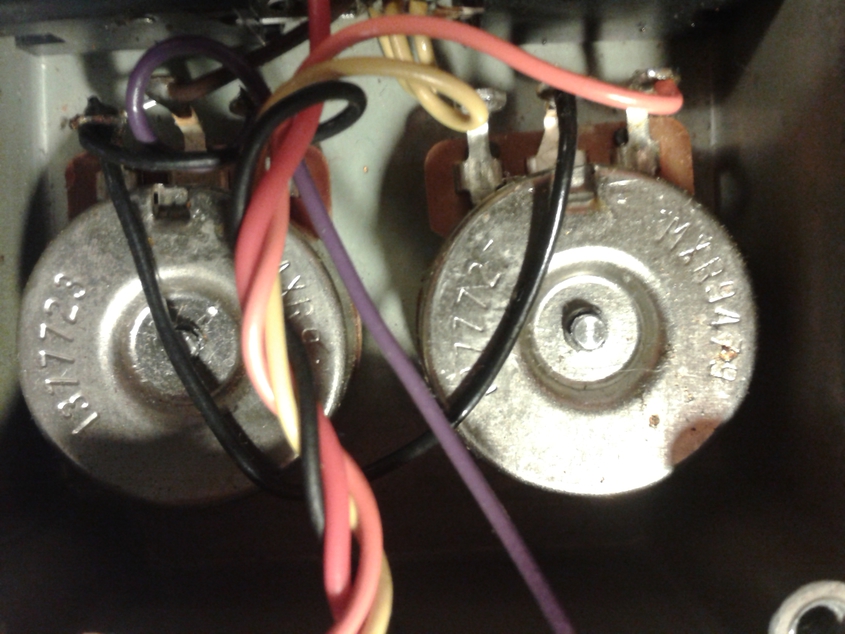
The pot codes show that the pots were manufactured in the week 21 of 1977, so it is safe to assume that the pedal was built in 1977 or early 1978 at latest.

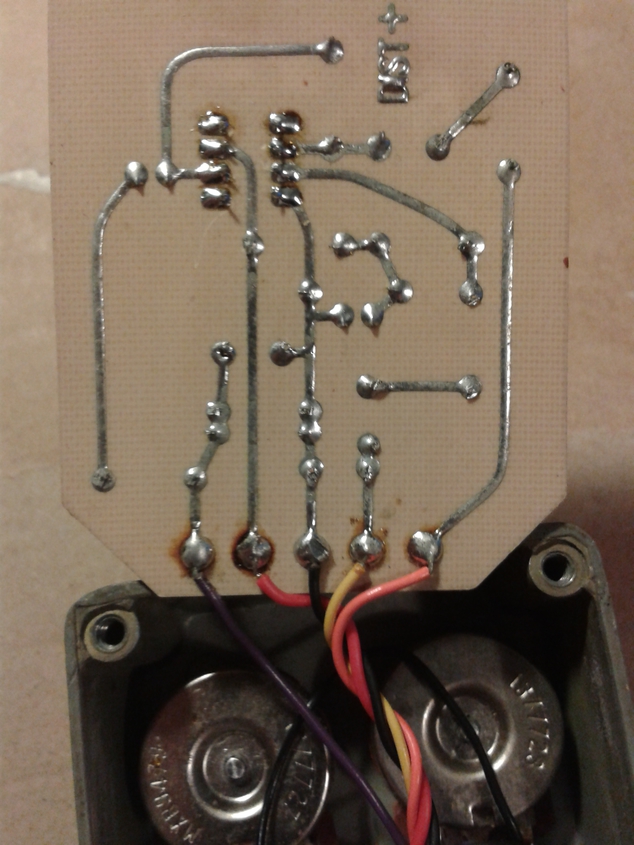
The Alalogguru’s  schematic is simple to read. There’s one gain stage that feeds the hard clipping stage created with two 1N270 germanium diodes, which then pushes the signal to output. What i find to be the most interesting thing about this pedal is that the board isn’t fastened to anything. It just sort of floats in there with all the components bent horizontal.

MXR-Dist+guts5

The components and the topology are on spot when comparing this and the current Dunlop reissue. All the other things are not. The switching (may be better in new one), the jacks and the board itself. Jacks and switching are not bad in original, although some tone sucking may occur due to input of the board being connected all the time. My suspicion cling towards the board. On original the traces are far away from each other and there’s no ground fill at all. The sturdy box takes care of all the shielding needed. The reissues have clustered the board with massive ground fills that even go over the traces. In theory that shouldn’t affect the sound at all, but…

MXR-Dist+back2

The bottom plate is a thing of beaty too.

How does it sound?
Astonishingly good. There’s at least three million kilometers between this and the new Dunlop made reissue. The tone really puts my praising of the OD250 reissue to the test. The output is lowish, but enough beat the clean signal fair and square. This creates the best tones with distortion knob maxed or near maxed. May be in part because of the components age, but damn it sounds good.

Warm, soft overdrive that sounds like analog heaven with both, single coils and humbuckers. Too bad that these are getting rare and the reissues aren’t helping those who want the sound. At all.

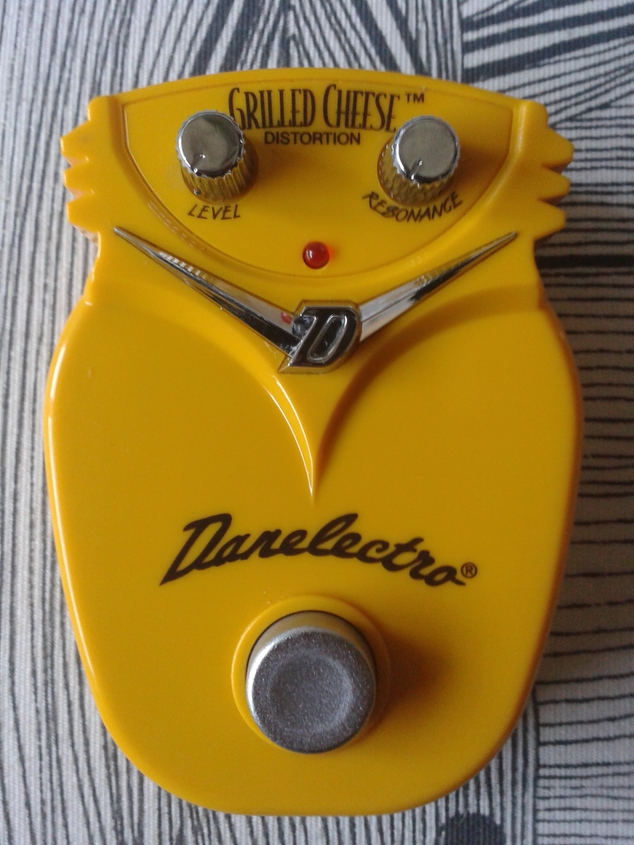
Danelectro DJ10 Grilled Cheese Distortion

DJ10-GrilledCheese

What is it?
Danelectro DJ-10 Grilled Cheese distorion.

Had no information on the design whatsoever when i got this unit. Should probably have done some reading before paying 20€ for it. As distortions go, there is one sub-genre that i find no joy in playing with. This one sinks to that genre. Fixed wah distorion. As the ones i’ve played with, the Ibanez CD5 Cyberdrive is the least sucky in the bunch. And that too sucks quite a bit. That may be suitable for some special lead sounds usually employed by men in tights. So i may be a bit biased when judging this pedal.

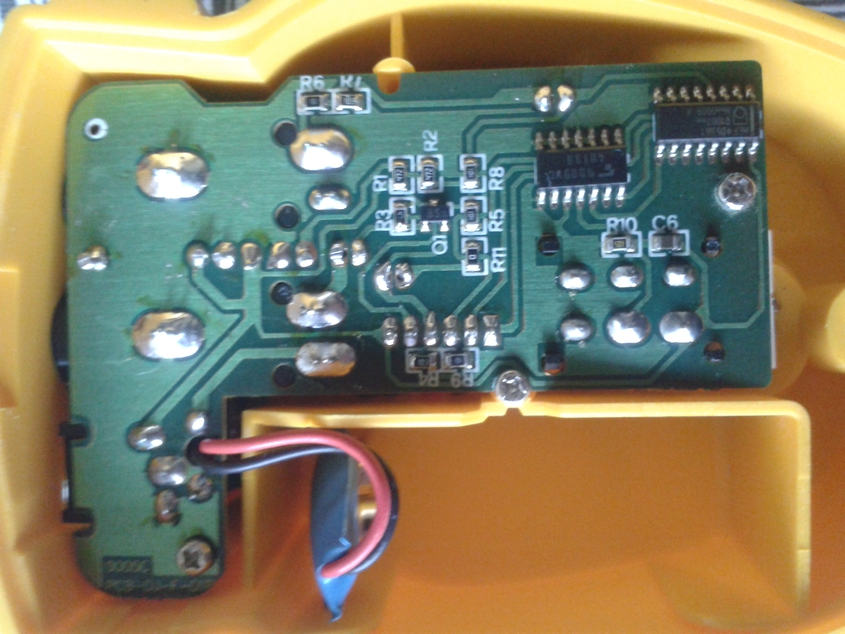
Couldn’t find a schematic and to be honest, this unit does not interest me enough to even dig deeper. The comments on the internet say that there are 3 dual opamps and a inductor that make up the circuit. Bypass seems to be standard of the mini series.

DJ10-GrilledCheese-guts

One of the rare cases of complete meh. Which means i have no interest in seeing how or why this one does what it does.

How does it sound?
Like all fixed wah designs with mid scooped distortion, not completely unlike DS-1 or alike. Personally i wonder who would need or want a sound like this. It’s not my place to judge, so if you find fixed wah distortions useful, go ahead. This one will remain in mint condition in my collection.

Yamaha FL10M II Flanger

Yamaha-FL10MII

What is it?
Yamaha FL10M-II Flanger from the 10/Sound Device series, made in japan. Manufacture date unknown, but it seems like 80s build. Looks like a coin-op arcade machine now doesn’t it!

The brand is quite a puzzle to me. Pianos, jet skis, motorcycles, guitars and network routers. Usually i wouldn’t trust a brand that sells coffee machines and snowboards and/or something else completely unrelated. This is one exception.

One of these units that came in as defunctional. In this case, the trimpot responsible for delay time had dried up and stopped working. This time i didn’t even think of replacing the trimmer but just greased it up and the beast flanges on again. Enclosure is very sturdy. Thicker metal than usual 80s things. Black and pink! What could go wrong! Here’s another external shot of this beauty:

Yamaha-FL10MII2

The box makes me feel good – by sound, and by in and out. Almost gives me goose bumps. Just like the guitar i’m using as my main instrument at the moment. It is probably the ugliest Stratocaster ever made (all strats are horribly ugly, heresy, i know). Sounds just amazing. If the sound came from some guitar that was cool looking i would probably just say, meh. But when something goes over the far end limit of being ugly, it usually turns itself around. Like in this case. The box is so ugly that it is on extreme side of beautiful. And there’s more. Didn’t know what to expect when i first opened this up. I wrote on some earlier post how i find these hand drawn acid trip-like traces pleasing. Here we have another perfect example of that – how to draw up circuit point connections with artistic point of view. I could easily live with that board image on my wall. By the way. Note the tension removing plastic addons on in/out jacks.

Yamaha-FL10MII-Guts1

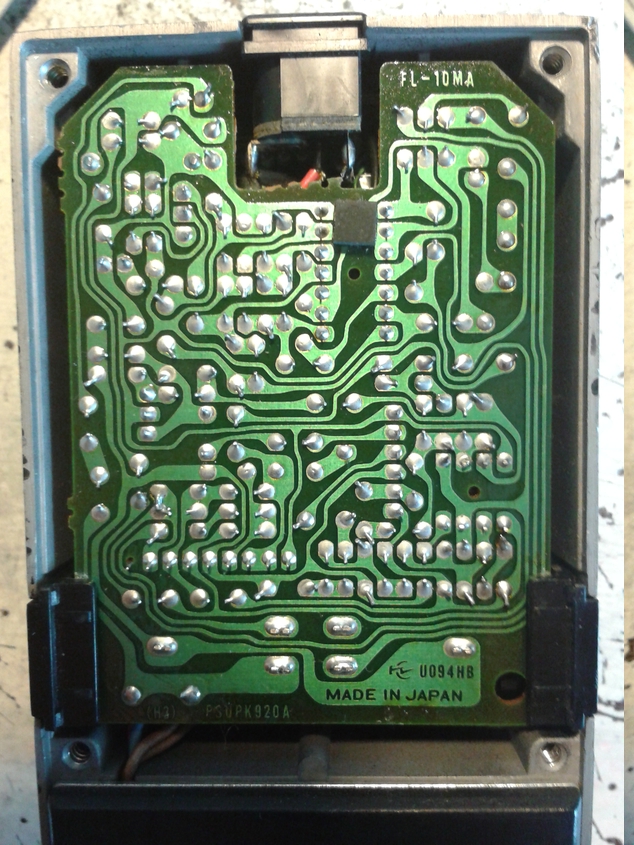
So not that it is beutiful on all sides, it is very well designed too. Insides are made of two individual boards stacked on top of each other and connected together with a ribbon cable.  Bottom board having the switching, jacks and LFO, upper board having the delay and controls.

Yamaha-FL10MII-Guts2

Bottom of the upper board is just as beautiful as the lower one. Just simply pleasing. The boards are thick and sturdy too. The soldering is neat and looks like the person who soldered these wanted to do a good job – and he/she did. As quality of the stomp boxes come, this one needs to be touched to feel just how well it is made. I wish more modernd boxes were like this.

Yamaha-FL10MII-Guts4

As one could guess, the delay is created by MN3102/MN3207 pair. The controls are Depth, Speed, Manual and Feedback. Manual and feedback can do really cool things as the modulated signal is fed back rather than trying to keep it clean. With certain low settings, this can be used as a analog delay too – Very, very short one, but still the option exists.

Yamaha-FL10MII-Guts3

Even the pots are sturdier than what can be found in usual boxes from the era. Two boards are well used. The variety of controls will take a lot of board space, so i wouldn’t even call this overengineered piece of first class japanese stomp box design. So glad i got it. Thanks to Mr. M. Säisä!

How does it sound?
Great! One of the greatest flangers ever. Very wide coltrols from mild, short analog delay to massive, almost velcro-like sweeps and endless feedback. From standard guitarist flange to power electronics style noise guru sweeps. Underrated brand, underrated box and very underrated sound. Definitely a  keeper. I could sell off all the other flangers before this one. I want to hype the aesthetics one more time; Black & pink, Coin-op arcade box, acid trip traces, sturdy components and overall feel.

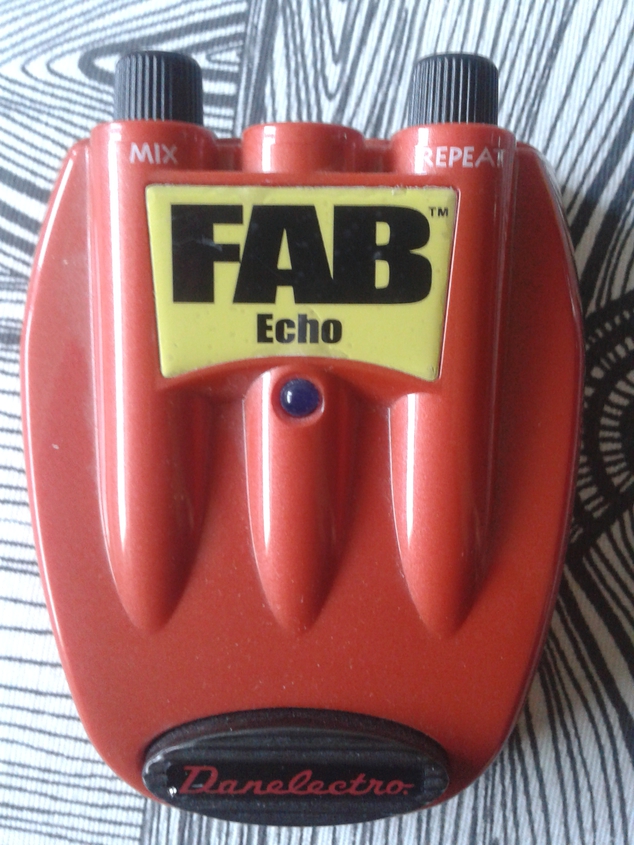
Danelectro D4 Fab Echo

D4-FabEcho

What is it?
Danelectro D-4 Fab Echo. Cheapest thing made in china. Came in a trade for next to nothing.

I usually have nothing againt using plastic enclosures. And as i stated on Fab Metal post, the build quality here is astonishingly bad. This particular unit doesn’t quite reach the horrifying things inside Fab Metal, but it is still nothing i want to spend my time on. The boards are a lot neater than on the Metal distortion though. Also the components are SMD all the way, which leaves a slightly better impression.

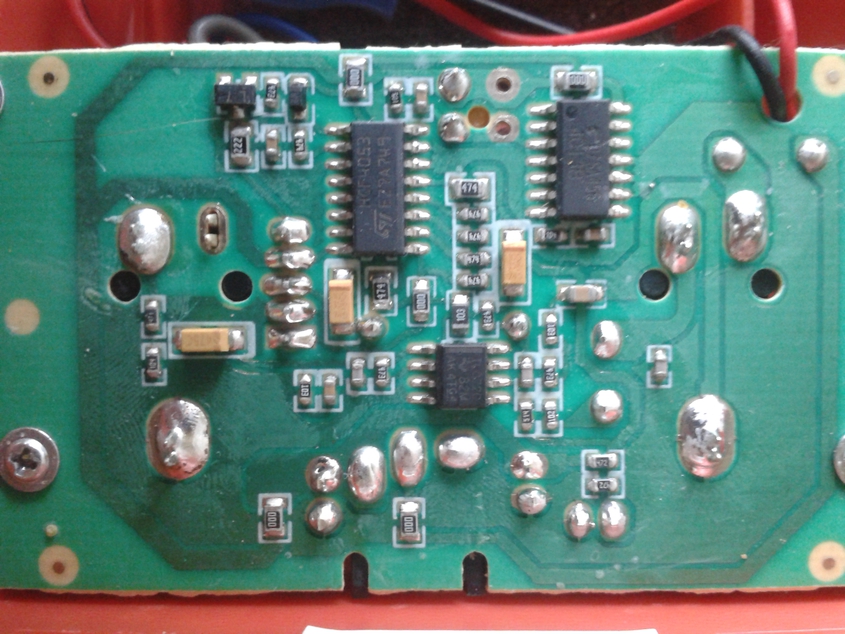
D4-FabEcho-guts1

Still i don’t find the boards eye pleasing in any way. No symmetry, nor any master plan at all. Don’t know what the designer has been thinking when doing a layouts for these. The design itself isn’t too bad. It may have looked and sounded reasonable on the designer’s breadboard before it made its way forward in the construction chain. As in all Fabs, the shilding is done with paper with foin on the other side and that piece of paper is screwed to ground. Designwise…

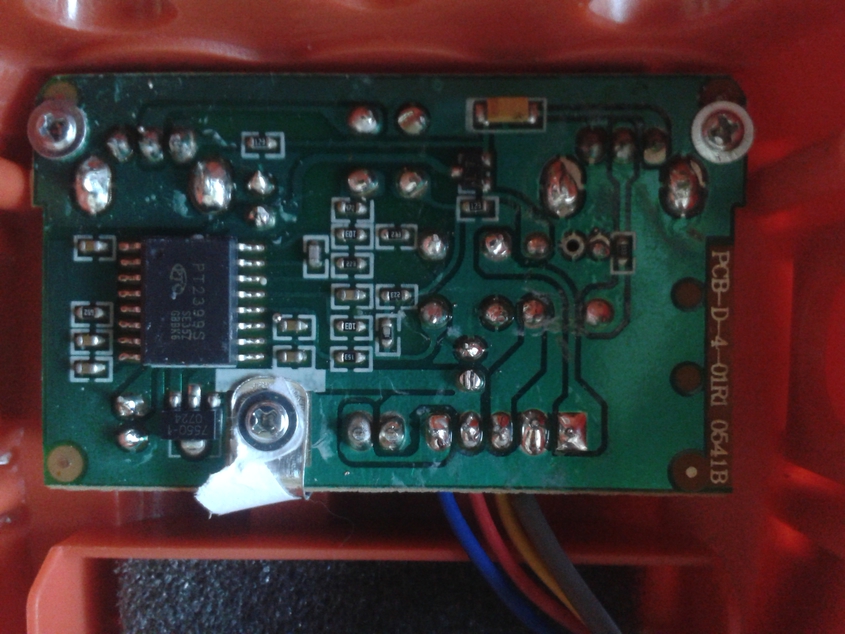
D4-FabEcho-guts2

Yup. That’s PT2399 digital echo processor with fixed delay time. This could be modedd to full delay by just swapping one of those left hand side SMD resistors for a pot. Personally i don’t think the mod is really worth the trouble, as you can score similar sound from other china brands for pretty much the same price. That way you’ll get better shielding for your box too.

This will be my last post of the Fab series. Last weekend, i sold both of these as there was just not anything interesting in either of these and the build quality doesn’t please me. At all. While i do like Danelectro’s boxes in general, this serie will not be collected. These will continue to give a bad name to Danelectro effects. I can clearly see why.

How does it sound?
Not too horrible. Sound exactly what PT2399 chips with fixed delay time should sound like. I’d still recommend checking out china brands for a delay instead of this…

« Older posts Newer posts »

© 2025 killall -9 humans

Theme by Anders NorenUp ↑