Tag: Overdrive (Page 4 of 5)

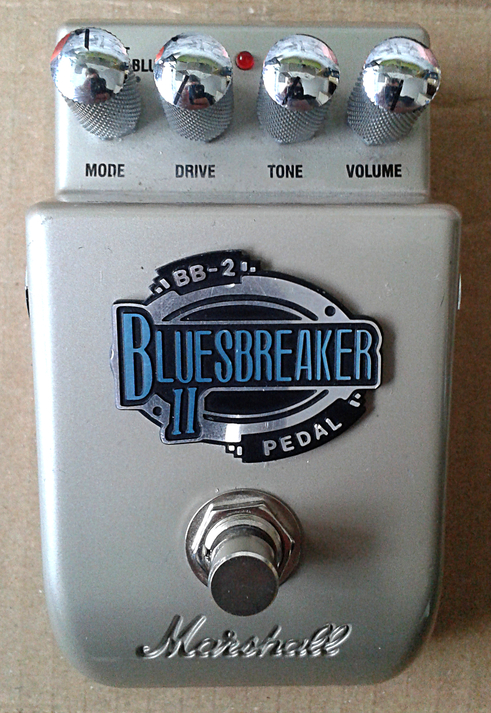
Marshall BB-2 Blues Breaker II

BB2-BluesBreaker

What is it?
Marshall BB-2 Bluesbreaker from small metal series. Made in china around early 00’s.

The Marshall pedals are are strange phenomenon. I feel like i’ve talked about it, the same thing earlier. Where nearly every single Marshall amplifier ever made has a status that every guitarist knows about. Even the floppiest, bad amplifiers are good for the purpose they were designed for. I think Jim’s passing in april 2012 did affect a lot of people. Not as much as S. Jobs’ but still. Jim wasn’t as controversial character and i think it would be safe to say that everyone liked him and loved his work. For reason unknown to me, the Marshall pedals did never gather the mass admiration like the amplifiers did. Of course, the early pedals have become super rare gems and the big black box series is nowadays highly praised. Which it wasn’t when the series was originally released. Same thing applies for the small metal series. No one was hyping the series when it came out. But if i’m being truthful, the series is well made even though it’s of chinese origin, the designs are not bad at all.
BB2-BluesBreaker-guts1

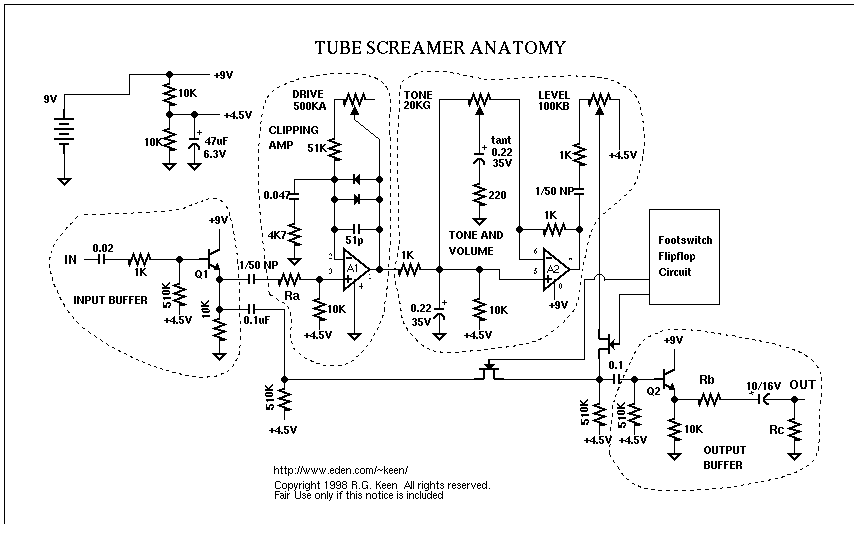
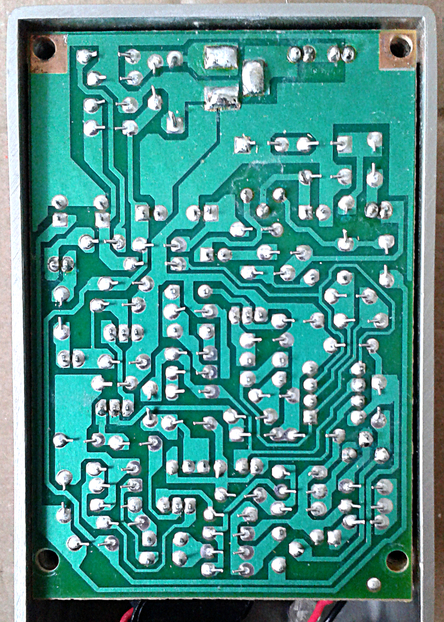
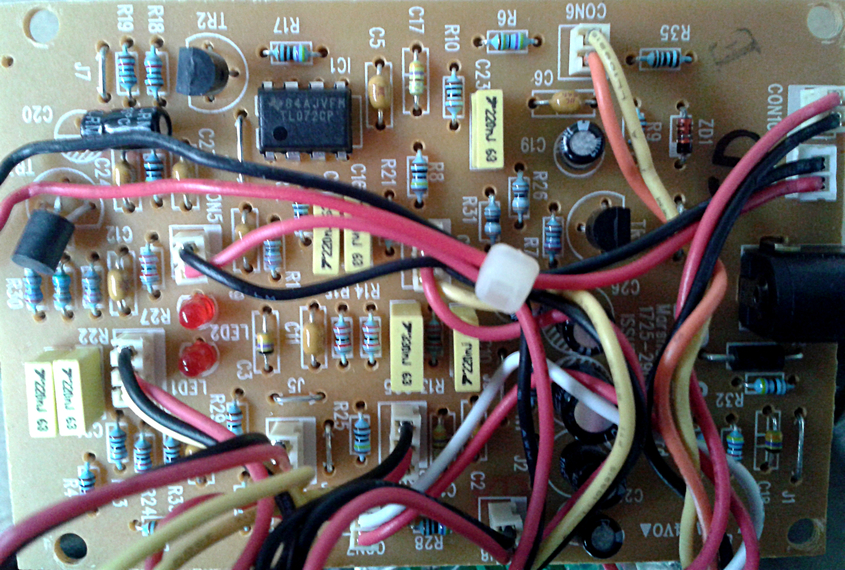
Well made, but dull modern traces that are found in every design of the series. Lots of outboard wiring, but almost all of those are done with terminals instead of hand wired connections. Standard, non-surprising selection of components – TL072 dual opamp and red LEDs for clippers. Someone has posted a factory schematic here. There are noticeable similarities with the original Bluesbreaker, but with some added features. Mainly the Boost option.
BB2-BluesBreaker-guts2

The basic topology here is buffer -> boosting stage -> clipping amp (LEDs in feedback loop)  -> recovery stage (which is something to check out) -> tone control -> volume control. The boost mode bypasses everything from boost stage output to volume control. So the design is quite versatile.

How does it sound?

Fairly nice. The boost mode is what it says – a clean(ish) boost with enough gain. Sadly, the clipping LEDs on the clipping amp in this configuration tend to sound a bit broken. Otherwise, it has similar overall feel as the original, big black unit. It is nice overdrive with hard, big sound. Is it even remotely a “blues” overdrive? Not sure. But it still sounds nice. And you should be able to find one for cheap. At least for now.
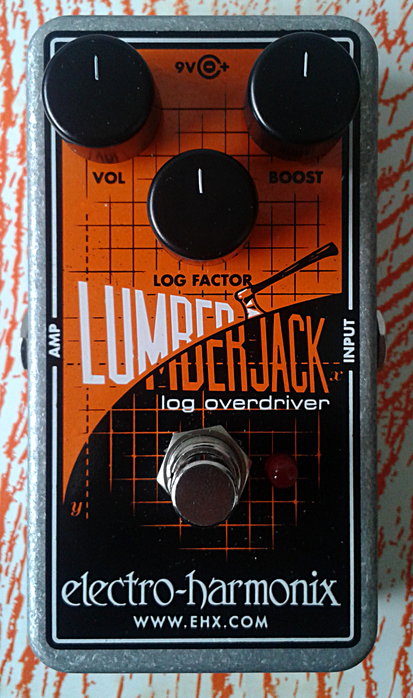
EHX Lumberjack Log Overdriver

EHX-Lumberjack

What is it?
Electro Harmonix Lumberjack Log Overdriver. Made in NYC. According to the serial number, this unit has been manufactured in 2013.

Someone was selling this one as next to new unit for an ok price. As some of you may already know, i’m not a EHX fanboy. At all. Other than Big Muffs and a few odd birds, the EHX designs tend to reach for the skies. Only to find their hand stuck in a pile on manure. Meaning that the designs are always trying to break the limits and to come up with something profound – but usually ending up as a novelty special effects rather than a good sounding, usable guitar pedals. The official youtube demo shows a professional guitarist praising the sound. But somehow i think i sense a hint of doubt in his presence. There’s also a short part with a bass on that demo. Anyway. As usual, i ripped the bottom plate open as soon as the unit landed on my desk. Demos suggested the unit be be somewhat a modernized overdrive version of the bad old Gretsch Controfuzz. The controls Volume and Boost do what you expect them to. The Log Factor adds distant background distortion in the spirit of the Controfuzz, but doing  it in a post 1980 manner.

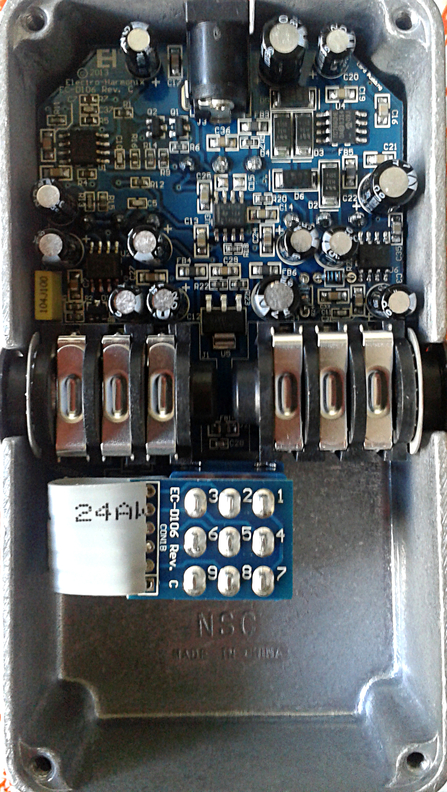
EHX-Lumberjack-guts

Nope. That’s not anything like Controfuzz. There are five dual opamps and a few transistors in there. While i was hoping that this would possibly be something simple, something i could use to learn’a thing or two, tthe reality hit me hard. With the sound the unit has, and the complexity of the circuit.. No. I’ll just screw the bottom plate back on and put this back to its original retail cardboard box. It can stay there and wait if the sound will have any merit after couple of decades of waiting. On a brighter side, the unit does come with a power supply. So all of the money wasn’t completely wasted.

How does it sound?

Horrible. The Overdrive never grows to be completely around. Instead, there’s always clean signal present. So as an overdrive effect for the guitar, i must say that this is definitely one of the worst. For a bass? Haven’t tried it for myself yet, but there is some hope for this being a decent (or maybe even great) bass pedal.

Makes me wonder.  If a design goes south due to blatant over engineering, why do they keep marketing it as something that it clearly isn’t? Now, slap a sticker with “For Bass” on top of the retail box and it might sell. There is a chance that over engineering has resulted is cutting some of lower frequencies off. If that’s the case, then this unit isn’t suitable for anything.

Except for novelty special effect.

Ibanez MT10 Mostortion

MT10

What is it?
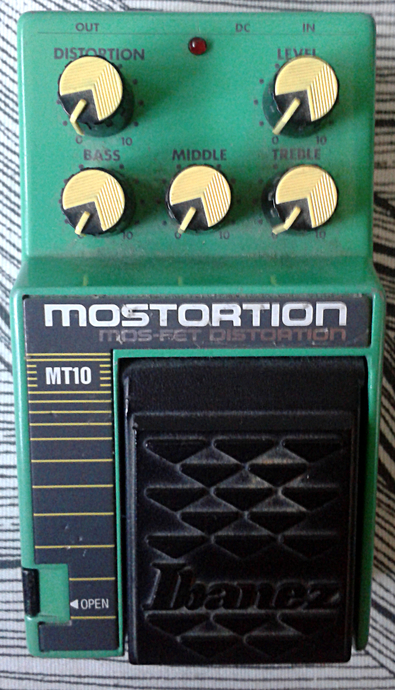
Ibanez MT10 Mostortion MOS-FET Distortion from Power series. Made in Japan, late 80’s.

As the Ibanez Power series pedals come, there aren’t that many original designs that have risen into cult status and are priced as such on the used pedal market. The MT10 Mostortion is one of those, filling this void with OT10 Octaver. Both of these are sort of one offs in the Ibanez back catalog. Where the OT10 is the only Octave effect from Ibanez, the MT10 is the only MOSFET (metal oxide semiconductor field effect transistor) based overdrive/distortion and it has three band EQ as well. I try to think of other Ibanez driver pedals with Bass/Mids/Treble controls.. Nothing comes to mind (ok, the Tubeking distortion etc. but let’s just say that three band EQs are not a standard Ibanez way of doing things). Saw this unit for sale with a reasonable price and i just couldn’t let it go.

MT10-guts1

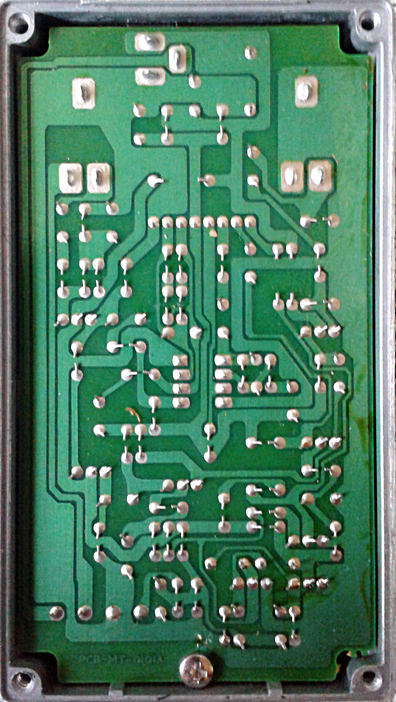
There’s some visual magic going on with the traces. Normally i would dismiss traces like this with a snarky “meh” comment, but not this time. Maybe it’s just how all the components are distributed nice and even all across the board, instead of super-engineering the left upper corner  and leave everything else blank. The schematic is up at ToneHome, and it shows how the EQ is made. Pretty cool to see something of a standard three band EQ drawn like that. Base topology is a buffer -> clipping amp -> three band EQ -> EQ recovery amp and an output buffer. Quite standard, but still something we won’t run into everyday.

MT10-guts2

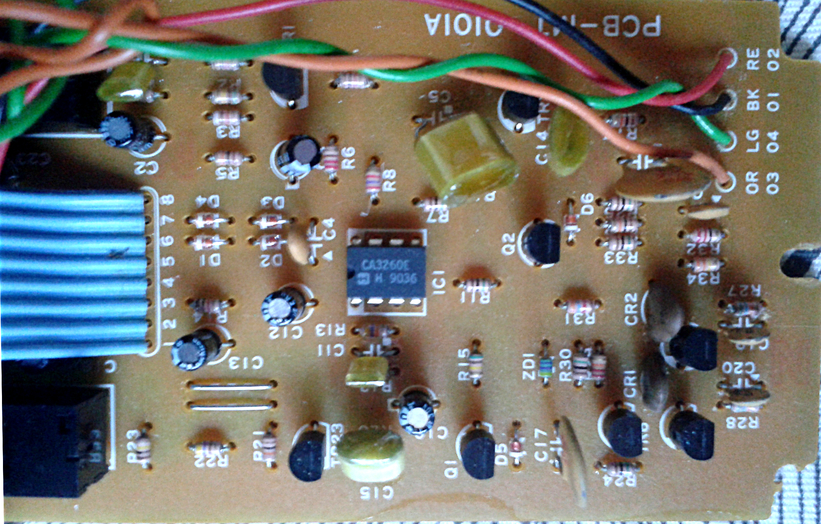
It’s the opamp that makes this a MOSFET desing. Harris CA3260 to be exact. This obsolete amplifier may be the biggest reason why this design doesn’t have reissues and the number of available clones is low too. This, at least in part, would also explain the prices these currently sell for.

How does it sound?
The sound is definitely one of the factors affecting the prices. From slight, cool boosting overdrive to harsh and cold metallic distortion. Way more versatile than the first modern box i would compare this to – the ZVex Distortron. Overall tone also reminds me of a Marshall MOSFET 100 Lead head’s distortion channel. There’s this MOS signature sound going on that some people just love. It does have a face and sound of its own. Which is only a very good thing. I don’t think we really need that many more TS sounding boxes in the world. Besides. This simply rocks.

Tokai TMD-2 Metaldriver

Tokai-TMD2-MetalDriver

What is it?
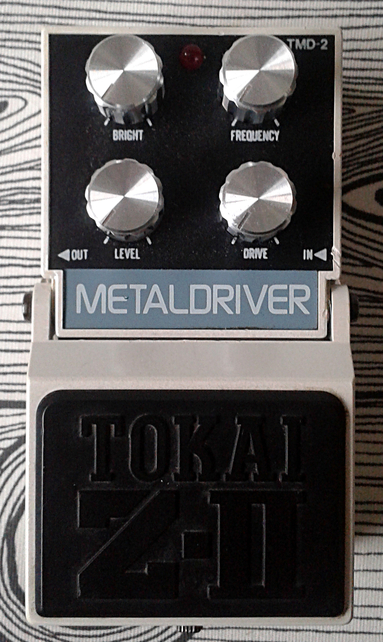
Tokai TMD-2 Metaldriver from Tokai Z-II Super Effects series. Made in japan somewhere around early to mid 80s.

Saw this on sale and couldn’t let the guy rest until we had a reasonable deal on the unit. I’ve been into pedals for a few years at the time of writing this, but i had never before ran into Tokai branded pedals. Which of course piqued my interest right away. For some reason these units do not seem to be hot, or they may be too hot. Very few units are available through usual internet auctions. As most of the items from the 80s with labels “Tokai” and “Japan” are instant collectibles with hefty price tags, the effect pedals by Tokai Gakki seem to sell for cheap – at least if you happen to find one for sale.

Now, first thing i noticed was that the knobs have been replaced. Wouldn’t have noticed it if it weren’t for Effectsdatabase. As the knobs are simple push-on type that tend to become loose with sunken 15mm T18 shafts, my guess is that one of the originals went missing at some point and one of the previous owners simply replaced the knobs with something that simply fits. It’s not that bad and i can live with the “error”. Next up, the Tokai Z-II series logo on the stomp lid’s rubber… Wow. Man. I mean Wow. Instant flashbacks from playing Ikari Warriors and Operation Wolf back in 1989. With all the rest about the outer shell correct, my hopes for the unit kept rising.

Tokai-TMD2-MetalDriver-guts1

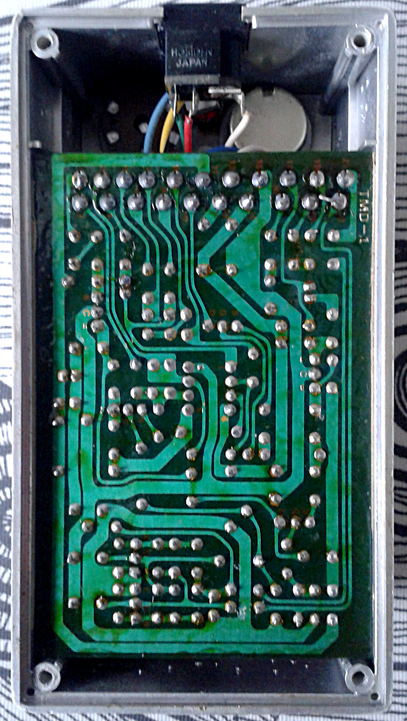
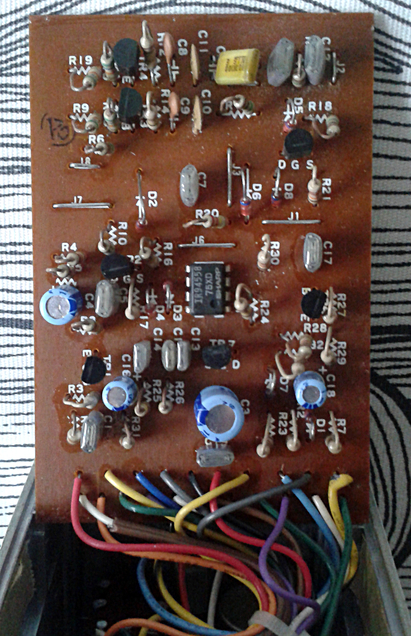
Under the bottom plate, there’s a 30 year old piece of cardboard acting as an insulator between the bottom plate and the board. The board being thick, strong and hand designed. Exactly like most of the japanese units from that era. The reason why so many of the units from that era are praised. Looking at the components give out some details, like Sharp 94558 opamp (which i’m guessing is a Sharp’s make of the JRC4558), standard signal diodes in clipping formation and a few FETs for buffers. Looking at the pots, the overall design brings Pearl OD-5 to mind. One of the pots is a dual gang, which acts as a giveaway. The controls for Level and Drive are self-explanatory. The Bright controls acts as your standard tone control with opening the high end when turned clockwise. The Frequency control is a powerful EQ control that cuts the bass on CW and treble on the CCW. I’ll leave the technical design at rest for the moment. I’m sure i’ll revisit the board with a magnifying glass at some point…

Tokai-TMD2-MetalDriver-guts2

On the outside, the enclosure has a lot in common with Boss housings. But once the box is opened, the harsh reality unfolds. It is in fact a thin aluminum enclosure. Thinner than Bosses. I don’t see any reason why this shouldn’t be able to take a few years on the road, but it is still a lot weaker housing than many other boxes of the era. I must say that near par enclosure design is the weakest link in this unit. So it can’t be all bad?

How does it sound?
And it isn’t. Soundwise it is somewhat close to Pearl OD-5. Without doing any footwork on the design, i strongly suspect that it is in fact a Pearl OD-5 with a marketing twist. Does it sound like a decent and usable overdrive? Yes it most certainly does. With gain maxed, level at 12 o’clock, bright at near max and frequency at the middle it sounds very, very good overdrive. Where as thrashers tend to love old TS9s in front of Marshall JCM800s, this, in my opinion, should serve a lot better in that situation. The controls let you even get decent mild, bluesy overdrive tones out of it. Versatile overdrive box with good EQ/Tone controls. Now does it instantly give out the “Metal” sound? No. It doesn’t. But it is still a very good sounding unit.

Nux OD-3 Overdrive

Nux-OD3-1

What is it?
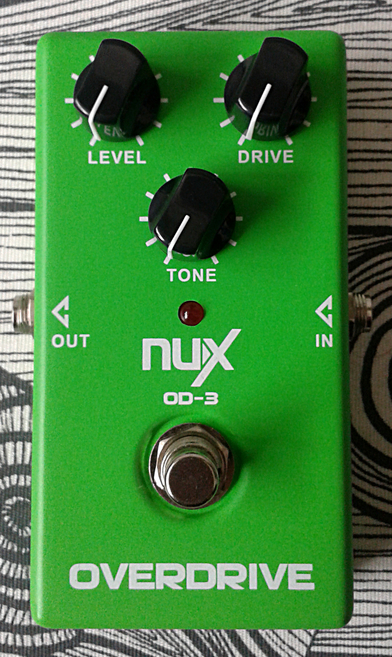
Nux OD-3 Overdrive. Super cheap thing, made in china 2013.

The next one of the Nux analog series box to arrive. As usual, i opened the box, tried it out and ripped it open to take a few (poor) photos. Short testing convinced me that this is nothing more than Yet Another Tube Screamer (TM).

Nux-OD3-2

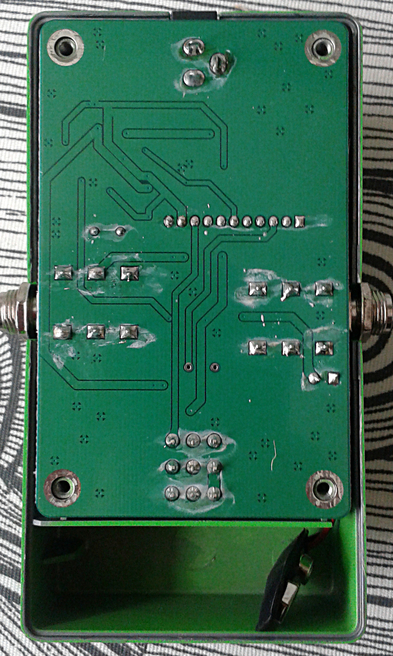
Some flux residue. The box design is the same as in all the others in Nux’s analog series. The pot feel is as terrible as in others too. The pot tapers and values look familiar.

Nux-OD3-3

Taking a closer look at the heart of the circuit confirms it even further. JRC4558 and SOT packaged Si-diodes. I’ve seen that before now haven’t i…

Nux-OD3-4

Still, a reasonable build quality with solid design choices. True bypassed basic pedal. I really just wish they would do something about the pots. I don’t think the better ones with sturdier feel ans more solid build quality would have cost that many cents more per piece.

Nux-OD3-5

How does it sound?
Exactly like every tubescreamer and derivative around (mid-honk, lowish output etc.). Not much more to say. Exact circuit copy will sound like the original. No surprises there. Cheap and built with reasonable quality. Might be a nice option for anyone looking for a cheap TS with a true bypass.

Washburn LSEBOD Blues Overdrive

Washburn-SLEBOD

What is it?
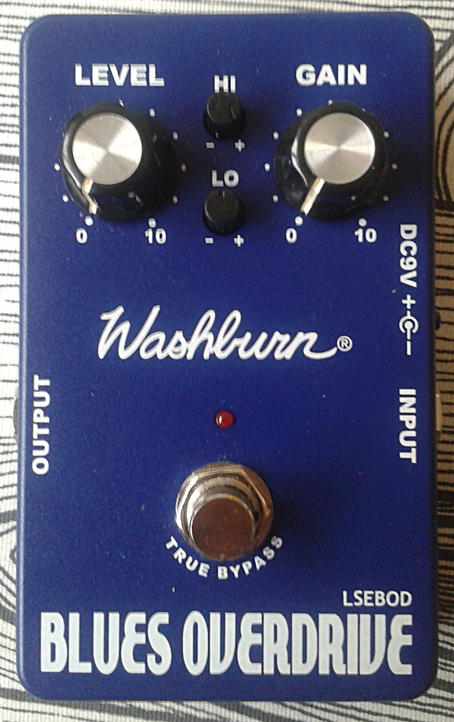
Washburn LSEBOD Blues Overdrive. Made in china around 2010. Should it ever even been made? Not so sure.

So. It is 1:1 with Artec Blues Overdrive. Artec is a korean brand that’s been around for some time. It has produced couple of interesting, or at least promising designs. I’ve had some contact with a couple those korean units and those are not too bad design wise. There are couple of Artec boxes that i might be interested in, even at the moment.

Before getting deeper, let’s talk a second about Washburn as a brand. Without any wikipedia checking, i think Washburn is a US brand that moved all of its guitar manufacturing to korea back in 80’s. Those korean made guitars were still very good guitars (which i know from personal experience). In early 90’s, the brand was still somewhat prestigious. The following ten years basically killed the brand. Since the earlier products sold under Washburn brand were actually good, the reputation carried on. But. In 00’s the not-so-ingenious heads at Washburn decided to provide even cheaper guitars. We all know how that works out. Compromise the quality to get the price cheaper. That’s what happened. All new Washburn guitars i’ve touched since 2005 have had nothing to do with the guitars that were made ten years earlier. The crappy guitars left everyone believe it was just one of those super cheap, super bad brands. I think there are not many people who know that the brand’s earlier work was more than sufficient in quality. Even if they did get the quality back on upward track recently, the facts still leave the brand not wanted.

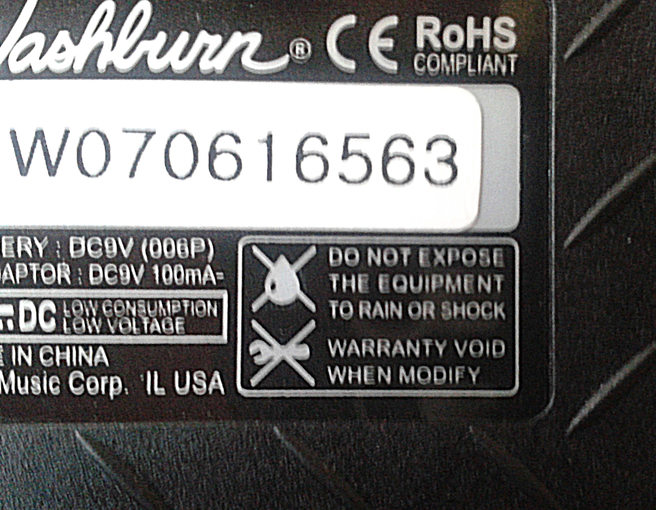
Turning this unit around had one really funny detail.

Washburn-SLEBOD-back

“Warranty void when modify”. That’s basically an invitation to tweak the $20 pedal. But once opening the unit up… No. I want to screw the bottom plate back to its place and try to sell the unit for the price i got it. Which will be next to impossible (and didn’t happen. It did cost too many currency units me to take these crappy photos…). This kind of utter crap lands on my desk rarely. And that’s what it is. Utter crap.

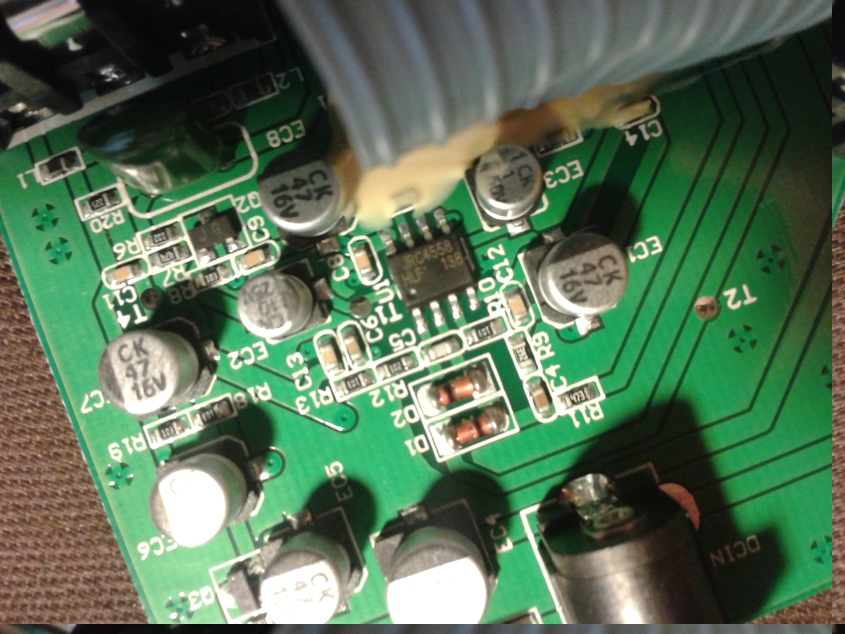
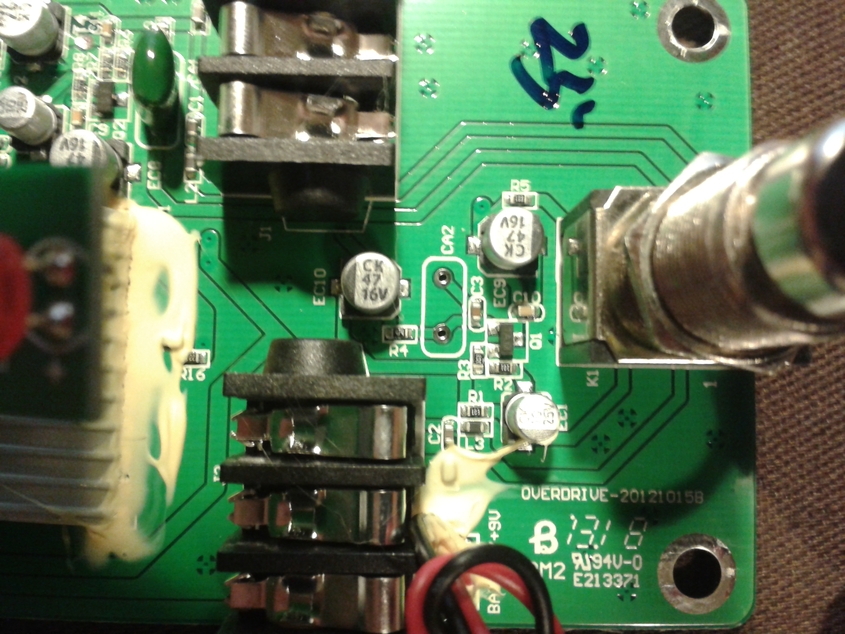
Washburn-SLEBOD-guts

I don’t mind about all SMD, but just look at it. Worst build quality i’ve seen to date. I wouldn’t dare to take either of the boards out, as that would definitely mean that something would break. Washburn already burnt all bridges with the guitars later than 2002, now they are making OEM deals with korean brands that outsource their bad build quality to even way worse chinese manufacturers. Do any of you think that i would feel good about playing my 1993 Washburn at a gig? Everyone will be looking at me like “why’s that dude playing with $50 guitar?!?”. I know my 1993 guitar is very well made and it sounds very f*n good. But everyone in the audience will only see my playing a “cheapest brand” guitar. Thank you Washburn for all your lousy decisions. If you want to wreck your brand – follow the example of Washburn. Buy Artec design, badly made in china and sell it for more than korean Artec box. Yeah. Everybody loses.

How does it sound?
Horrible disfigured hybrid child of Marshall Bluesbreaker and a Ibanez Tubescreamer. Mid-honking it’s way through with broken sounding clipping stage. The EQ controls won’t help you out of this mess either. It is definitely the same box as Artec blues overdrive. If you want a Blues Overdrive, look at anything else than Artec/Washburn. Anything else. This unit sounds like a toxic waste that you won’t ever be able to get rid of (gladly i did get rid of it). Of all the overdrives i’ve played with, this is without a doubt one of the worst. Simply put. It is Bad.

Nux AS-4 Amp Simulator

Nux-AS4-1

What is it?
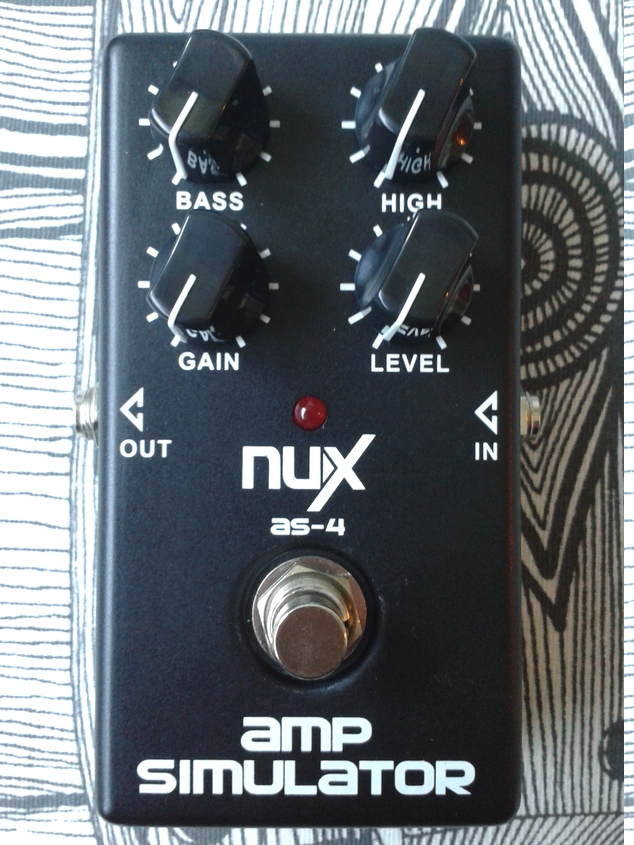
Nux AS-4 Amp Simulator from Nux New Analog series. Made in china in 2013. Cheapest thing there is.

These units have around for some time now, and this unit is part of family of four. There is Overdrive, Chorus, High gain distortion and this one – The Amp Simulator. The price tags raised a few questions. Could it be usable or just crap in design and build quality? Is it one of those cheap 1:1 corporate clones that flood the market from china? I wanted to find out, so regardless of the risk, i bought this one. Of course, i ripped it wide open as soon as it landed on my mailbox.

Nux-AS4-6

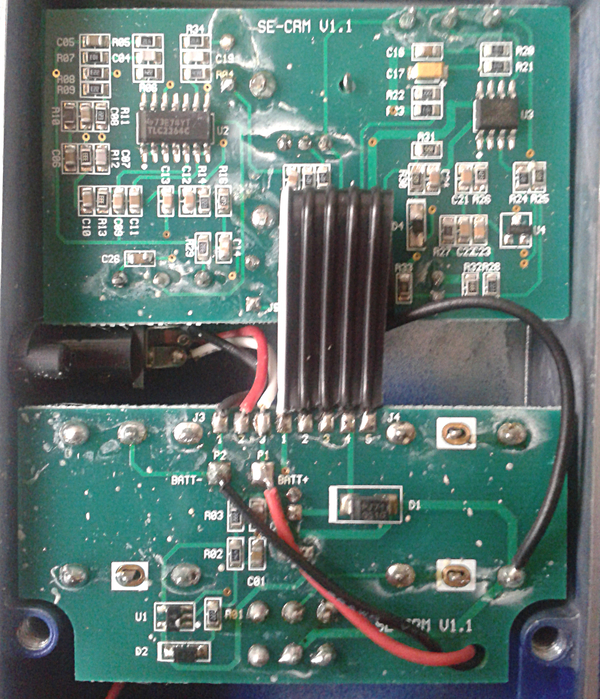
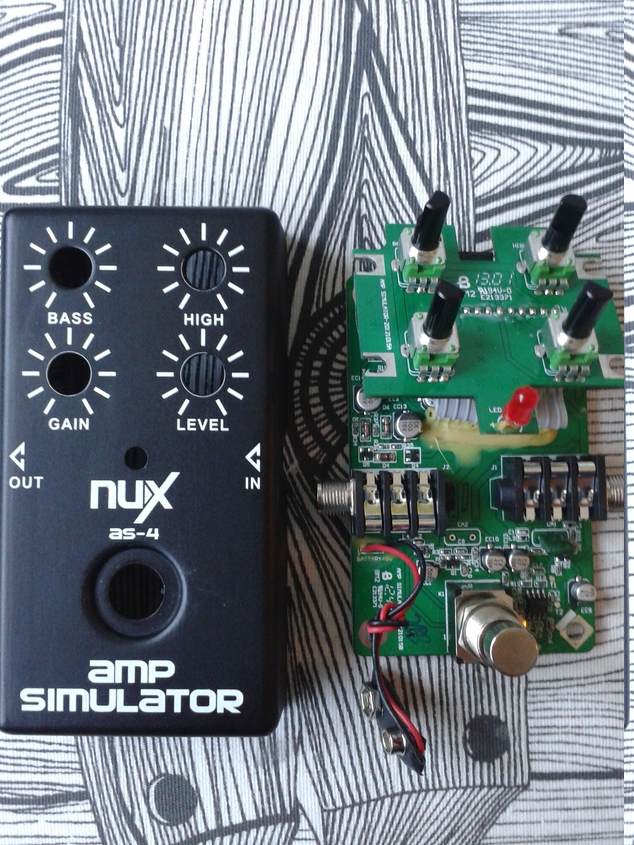
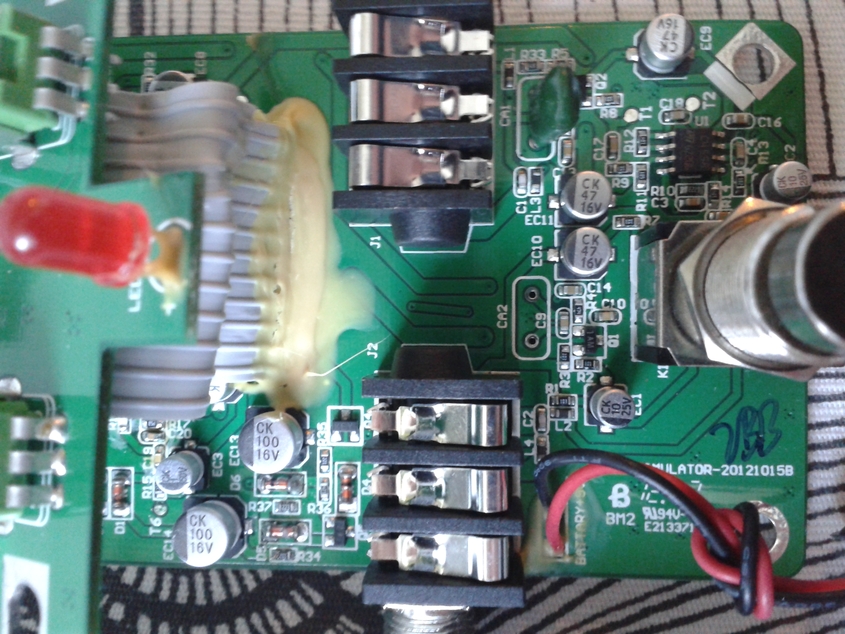
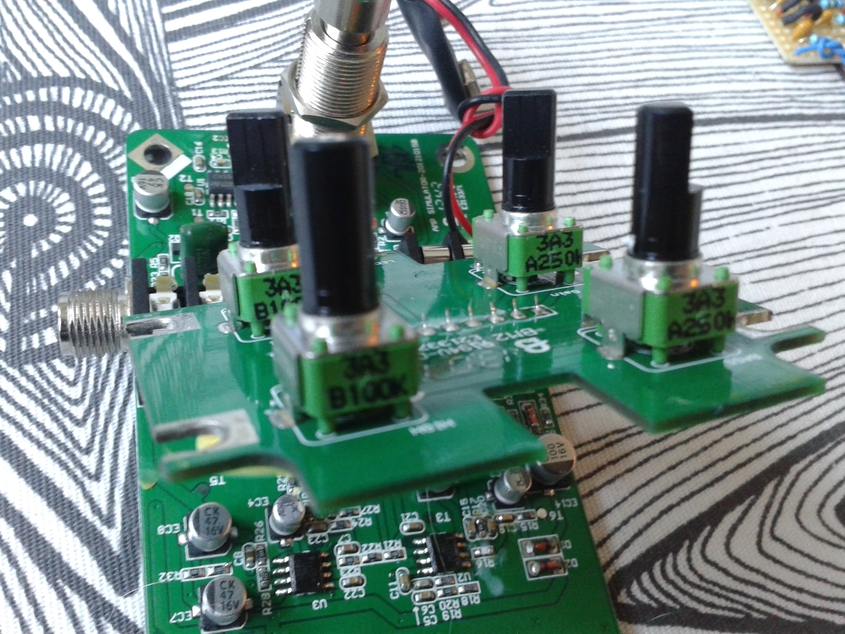
As the japanese started to use two separate boards in the beginning of the 80s, we have the same board method utilized here. The biggest difference being the 1590B-sized box instead of higher type commonly used by Boss and others. The bigger board has the effect circuit and switching, while the smaller board holds only the controls. Standard true bypassed pedal with “meh” build quality. Some ugly flux residue, but the components are baked on neatly.

Nux-AS4-2

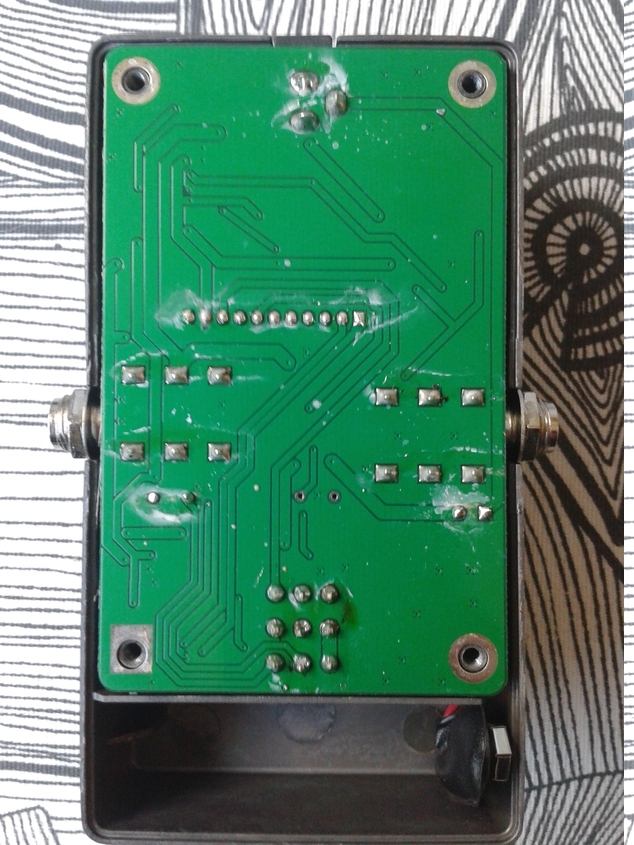
The design methods are not bad at all. The screws that seal up the bottom plate are also used for fastening the bigger bottom board to the enclosure. If you’re going to build pedals in huge mass produced fashion, this is the way to do it. the jacks are screwed on to the box as well, offering some more sturdiness. The engineer behind the box design knows his stuff.

Nux-AS4-3

Note the wax on the picture above. Yes. It is ugly, and probably not the greatest way to secure the ribbon cable connections. It still seems better to have the wax in there than to rip the joints off accidentally. Mix of mylar caps in otherwise all SMD board in Digitech manner doesn’t convince too much…

Nux-AS4-4

Next up is the one biggest issue i’ve come across. The pots. While those may be 1:1 clones of Alpha brand components, they are not good. One big culprit on the whole pedal. They work – yes. But they turn way too easily – in a word, they are just too sensitive. Just a tap with your foot can ruin your perfectly tuned settings in a heartbeat. If the company didn’t “save” money on pots, i would strongly recommend these for anyone and everyone. It is quite sad. One little thing ruins a design that is otherwise reasonably good.

Nux-AS4-5

Didn’t go too deep on to what the design has in store. I’m just going to leave it by saying that the component selection reminds me of Xotic’s BB preamp pedal.

I’m also hoping that Nux won’t sell these things as OEM for cheapo brand boxes for their own good. So far i’m quite confident that the future of original chinese pedals lie within Nux.

How does it sound?
Soundwise too. BB comes to mind. So it’s rich in bass and warm in gain. Overall tone is pleasing and starts from mild preamp with natural feel to it – which then can be turned to soaring gain monster by turning the gain knob. The overall sound has a lot of common with good tube amps’ overdriven sounds. With versatile bass and treble controls and well working gain control, this is very usable and good sounding pedal for a good price. I’m just hoping they acknowledge the pot issue and fix it. Before that happens.. No recommendations from me. I’m going to use myself as a guinea pig and get all four pedals in this analog series. Well see then…

Boss BD-2 Blues Driver

Boss-BD2

What is it?
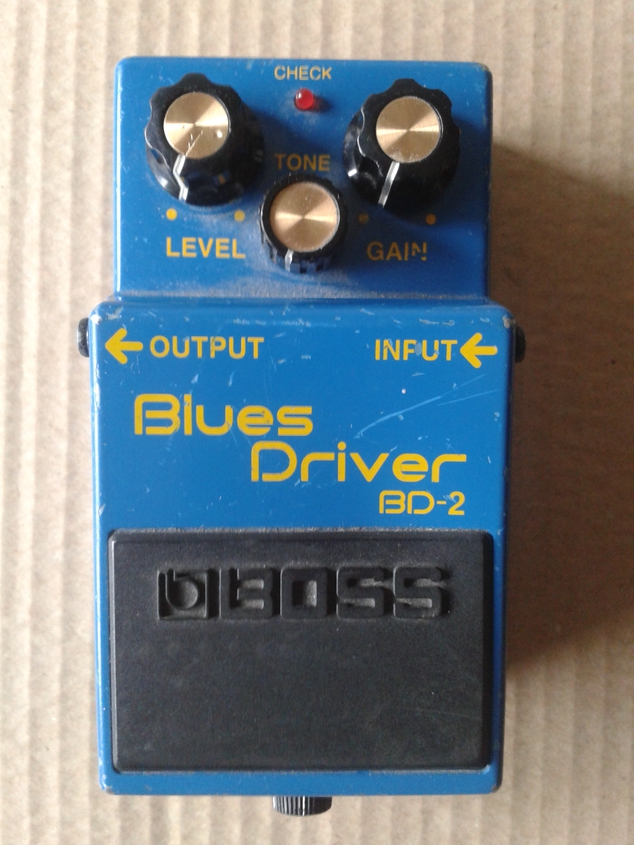
Boss BD-2 Blues Driver. Made in Taiwan. Unit has nice road worn on the casing. Manufactured in april, 2004.

Although i’m not deeply in love with Boss boxes, there are a few designs that i find interesting and usable at the same time. This is one of those. Discrete opamp  and well designed JFET sound in compact box. There are a lot of these milder overdrives available from various manufacturers, but still only couple of really good ones come from big names. Boutiquers and few high end brands offer similar JFET-based vacuum tube analogy, but practically none of the mass producers do it.

For those interested, Gauss Markov has the redrawn schematic up on his site, so check it out. There’s factory schem available at Free Info Society too.

Boss-BD2-guts1

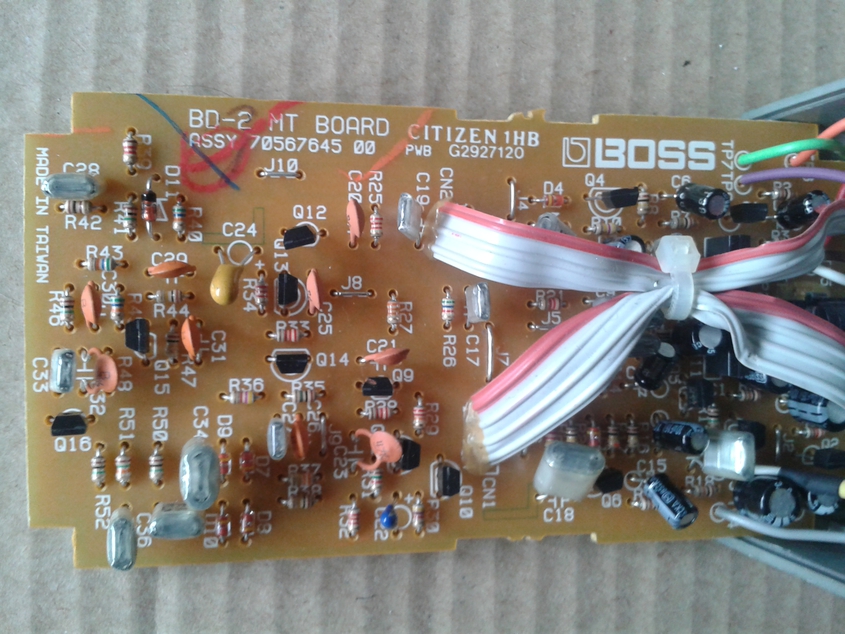
Under the hood shows the reason why most of the Boss boxes give me a severe case of meh. Autorouted, neat and clinical. These are made to last, but not to please the eye of an aesthetic electronics freak like me.

Boss-BD2-guts2

There’s a lot of spare room on the board, even though the discrete opamp stage is at least as complicated as using a standard opamp. That’s the key to the sound.

I really don’t get it why this pedal is listed high on big name modding lists. In my opinion a pedal should not be fixed if it’s not broken. And the Blues Driver is definitely not.

How does it sound?
Like one of the greatest low gain overdrive/distortions. It nearly captures the feel of overdriven old Fender tweed or Gibson amp. Quite edgy, articulate and dynamic. With low gain settings this is shining as one of those always on effects. Reacts quite dynamically to the way you play. It simply sounds great, even for someone who isn’t a fan of Bosses.

Digitech DBM Bad Monkey

Digitech-DBM

What is it?
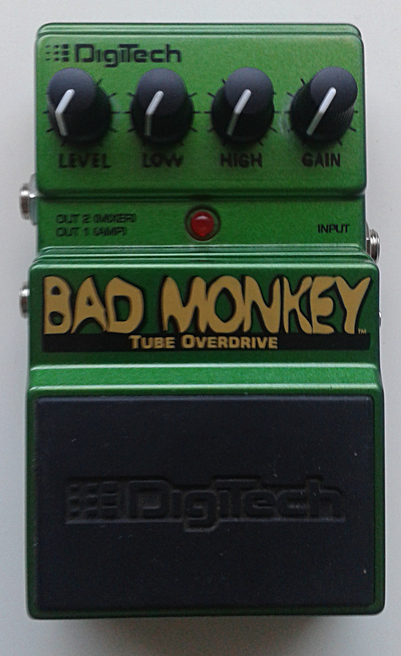
Digitech DBM Bad Monkey Tube Overdrive from Distortion series. Made in china around 2008.

Bought mine for a very low price as an broken unit through ebay. As usual, my first suspicion was that the unit had gotten a jolt from wrong polarity supply. This wasn’t the case. Seller stated that he “don’t know what’s wrong”. But just seeing the unit gave an explanation why this pedal wasn’t working. It had been either thrown around in anger or kicked with intention to break it. The gain and level knobs were broken from getting a hit. I opened the box up and probed to confirm. Yes. Both of those pots had internal damage. In fact, the sweepers were simply ripped off from the carbon strips inside the pots. Took me a while to track down the exact pots and new original spare part knobs. Those did not come cheap, but overall, i still got away with about 25% less money spent that i would have used on a new unit at cheapest.

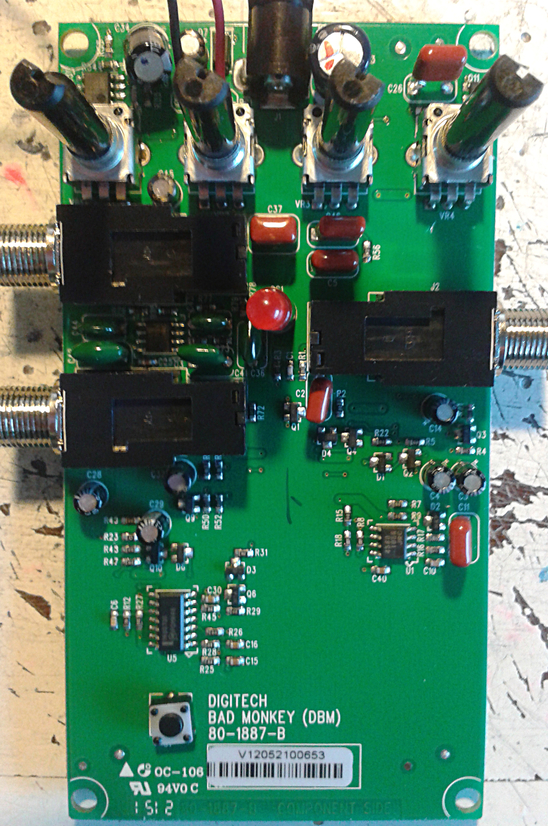
Digitech-DBM-guts2

The board apparently uses the same base layout as all the other Distortion series effects (Screaming Blues, Death Metal, Grunge and Hot Head). Mix of Panasonic metallized polyester caps and standard small surface mount components. The design and almost everything about these boxes are just too modern for my taste. So these are not my favourite things to collect, but once i happen to find one for a reasonable price or as broken challenge – i can’t seem to help myself.

How does it sound?
Not too great. Very deep mid honk accompanied by similar tone controls found on DOD Grunge. I would say it sounds very much like a Tubescreamer alternative. Can’t say if it is any better than a TS. For my style of music and playing it is more or less useless. The EQ section offers more versatility than most other TS alternatives/clones,but let’s face it. The tone controls on this particular design have not reached the level of “any good”. If you’re looking for a TS with more bass, this might be your choice. Due to the fact that it sounds exactly like TS with more bass and the price of a new unit is somewhat unbeatable when compared to quality. Not great. At all. But for the price.. Very good.

Boss SD-1 Super Overdrive

Boss-SD1

What is it?
Boss SD-1 Super Overdrive. Made in taiwan, january 2010.

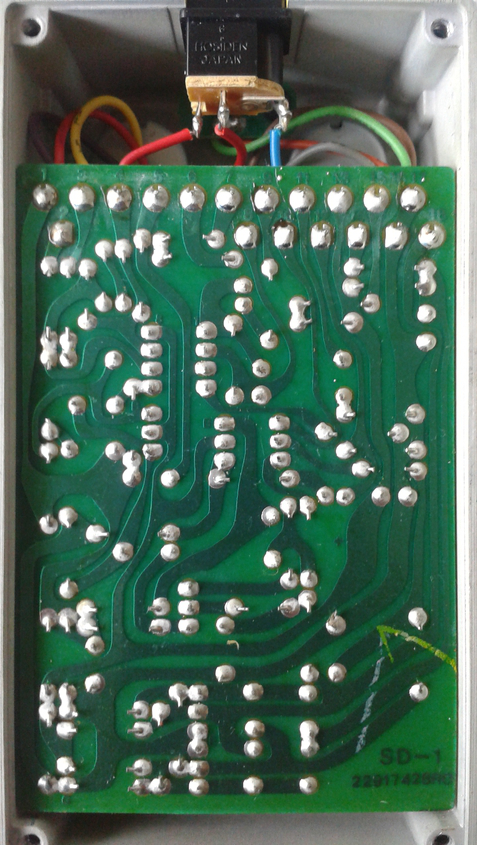
One of these boxes that i knew i had to have, no matter if i like or not. And the answer is not. Must be one of the most sold Roland Boss pedals ever. The design has been on the market since 1981. As the box has already reached 30 years of age without any changes to the design, it must be popular product. If it wasn’t, it wuold have been axed and/or replaced by some other design a long ago. Cool thing about the circuit is that it still looks and feels pretty much like the original japan made SD-1s, even though it’s taiwanese and nearly 30 years younger.

Boss-SD1-guts1

One of my friends has an early 80’s japanese version of the SD-1. According to him, the current production versions sound exactly the same, if not better. Haven’t had a pleasure of trying out really old unit myself. Value of those early 80s versions are through the roof. So i’m kinda hoping that 25000 of these units suddenly break up beyond repair and that 25 years passes very quickly. Maybe then my unit will have more value than twenty european dollars.

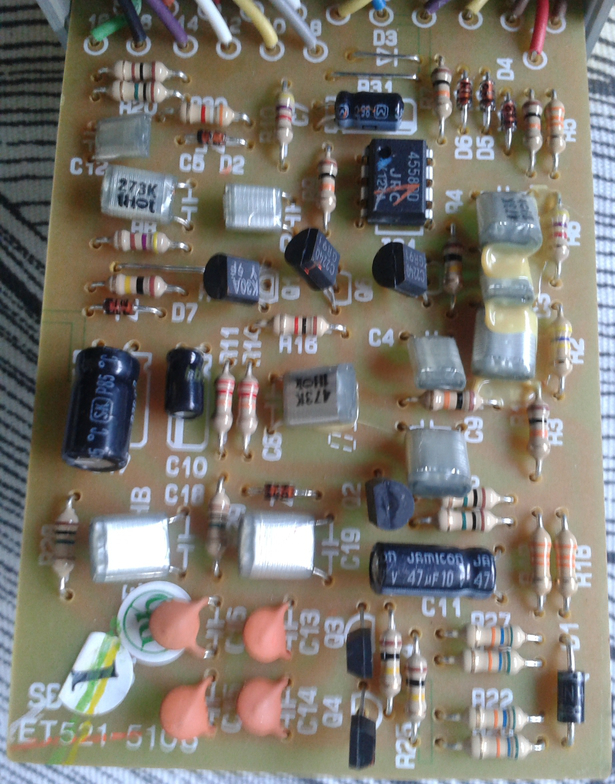
The board traces are the same as the photos of old units found on the web. Let’s then take a look at the schematic (from hobby-hour.com). Doesn’t that look a bit similar to something we’ve seen before? With just a couple of component changes (a few values, a 1M pot for gain and asymmetric clipper diodes), and it surely does seem like something really familiar.

Boss-SD1-guts2

Funny. I thought it sounded and felt pretty familiar too. So in fact, it is a slightly modified Tubescreamer with added gain and asymmetric clipping. The pedal is so common that modding it is very popular. No one will ever cry after an original SD-1 because of the mods. One can simply use the mod sheets found on the internet that apply to TS-family.

With just couple of component swaps and one could easily mod this to TS808 specs. Sounds so bad as an idea, that i may have to aqcuire another cheap used unit and mod it to 808.

UPDATE. I did get another from around 2005 in a trade (thanks Kasperi!). And i did mod it to TS808. All it takes is removal of one cap, swapping the places of one resistor and a cap, swapping 25 components to different values (including two pots) and making a few slight modifications to the circuit board. In all, about 30 components need some attention. Doable, but it’ll take couple of hours to perform. I A/B’d the result with my TS9 (as i don’t have TS808, yet), and i really couldn’t tell which one of the pedals was on at a time. So yes. It can be done. Do i recommend it, or is it really worth the trouble? Can’t say for sure, but it feels pretty damn weird to have TS808 sound coming from SD-1 box. After trying the result out, i sanded the SD-1 text off from the label and used permanent marker to tag it as “SD-808”.

How does it sound?
Like a Tubescreamer with slightly more harmonics on the clipping due to asymmetrical clipping configuration. Oh. And lots more gain.  Does it sound better than TSs? No. But it doesn’t sound any worse either. Mid-humping overdrive that keeps slapping you on the top of your head. Doesn’t take good pickups well, jsut slaps you even harder. For P90s with  moderately low output, this shines. As do all the TSs. A classic, but not that great. I do get why some people do like this and keep using it. To me, it’s just another cheap TS alternative in yellow box. Swap the diodes for two silicon ones for symmetrical clipping and you’ll have something that’s close to a Tubescreamer. that’ll cost you a lot less than current reissue of TS9.

After the mods, it is a TS808. I think i want to keep them both.

« Older posts Newer posts »

© 2025 killall -9 humans

Theme by Anders NorenUp ↑