Author: mirosol (Page 13 of 29)

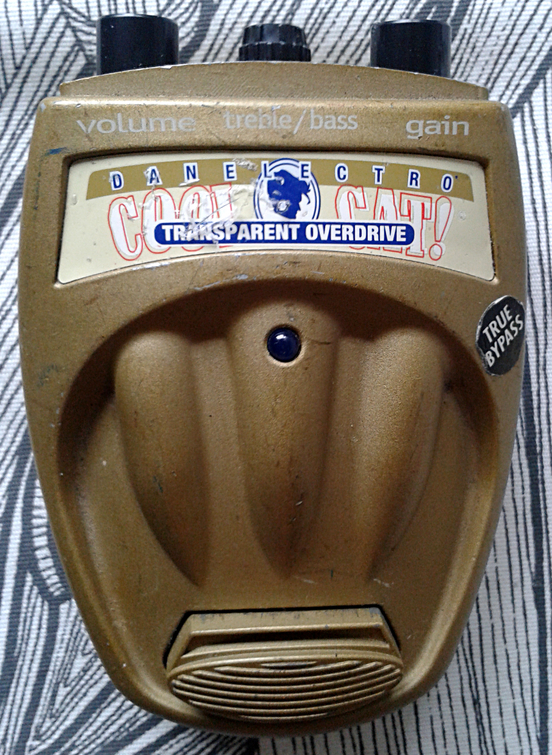
Danelectro CTO-1 Transparent Overdrive

CTO1-TranspOD

What is it?
Danelectro CTO-1 Transparent overdrive from Cool Cat series. Made in china, late 00’s.

It seems that CO-1 and CTO-1 from the series are becoming rare. There was a time one could snatch one of either one for peanuts through auction sites. I believe these two were manufactured in very limited numbers and follwed by their successors, CO-2 and CTO-2 respectively. Quick replacements may have been due to the ciruits being really close, if not exact clones of other manufacturers designs. So without further due, let’s check out Danelectro’s Timmy.

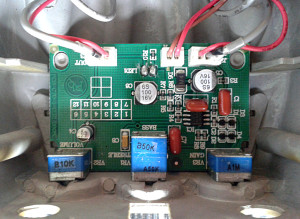
Once the box is opened, the standard Dano universal jack and switch board stare at you. Nothing special there.

CTO1-TranspOD-guts1

Judging by the size of the circuit on the board, i see nothing special in why modern chinese rip offers can squeeze similar circuit in miniature box. One dual opamp, four clipping diodes and a few other parts. Mostly SMD, but as with many CC series boxes, there are a few metallized polyester caps in the mix. If you are interested in a schematic, i suggest you do an image search for Paul Cochrane Timmy and omit the switch for the second diode pair.

CTO1-TranspOD-guts2

I got mine through an auction site with reasonable price as it was defected. Missing knobs and DC jack was torn off the board. Quick fix for the DC was just to resolder the jack. I tried to source original knobs through my country’s importer, but the answer was no. Apparently Dano isn’t in the business of selling spare parts for any of their pedals. With little a ingenuity i tweaked couple of the knobs i had to get the controls to look relatively close to the original ones.

Onc e again, the biggest downside to this effect is the concentric pot for Bass/Treble. It’s not like you need to tweak those controls all the time, but turning one usually tends to turn the other at the same time.

How does it sound?
Like Timmy. Usable and neat sounding overdrive. Shines on lower gain settings when used to push an amp. Treble and Bass controls have usable range, although the minumum settings are not that usable. There is some clear mid hump present, but it keeps the guitar’s tone pretty well in tact. Nice thing to have.

Carlsbro Minifex Flanger

Carlsbro-Minifex-Flanger

What is it?
Carlsbro Minifex Flanger. Made for Carlsbro by Cliff Electronic Components. I’m still not certain about the location where these came from, but the series of 6 pedals was released in 1982 and i suspect the  manufacturing span wasn’t more than a year or two, tops.

Carlsbro effects have been around for a long time. Carlsbro as a company is better known for amplifiers, but their pedal ventures started all the way back in beginning of the 70’s. First units Carlsbro was selling were OEM’d Sola Sound designs. Later there were the “Alu” series of massive enclosures and following those, the Minifex series.

There is very little information available on these units. Designs of the two stacked boards bring to mind a japanese origin (just a hunch), but the board manufacturing methods look a lot like early pedal boom at chinese factories. It could be manufactured in japan or korea too, but for some reason i find that hard to believe. OEM company has had many collaboration factories in asia for a long time. Without better knowledge, i simply do not know where these came from.

Carlsbro-Minifex-Flanger-guts

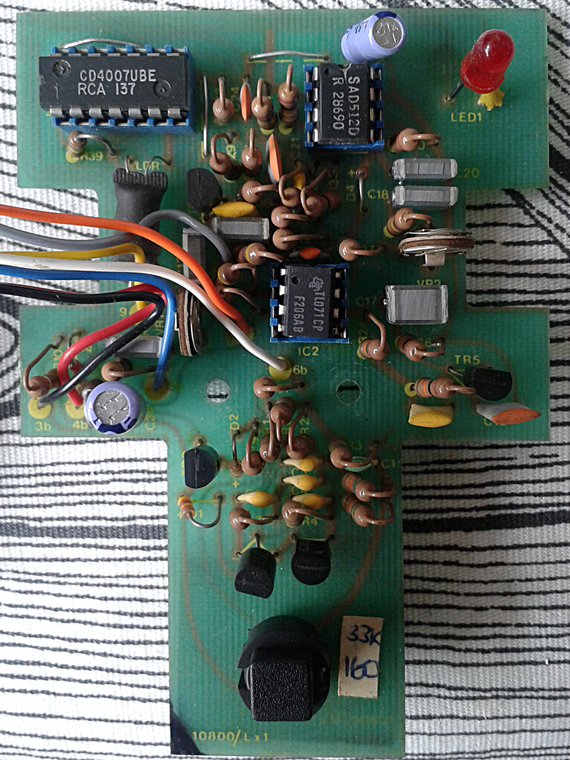
Notable things designwise are definitely a SAD512 BBD and a “roll-your-own” style optoisolator. My guess would be that the CD4007 is acting as a flip-flip for the bypass switching, but design doesn’t look too familiar.

Carlsbro-Minifex-Flanger-guts2

Pots are shaftless type and the knobs are simply pushed inside them. Every IC is socketed and there are tons of things that i find, for some not so obvious reason, fascinating. Sure there are some caveats. All plastic box with super cheap feel to it, plus it only runs on a battery.

Carlsbro-Minifex-Flanger-guts3

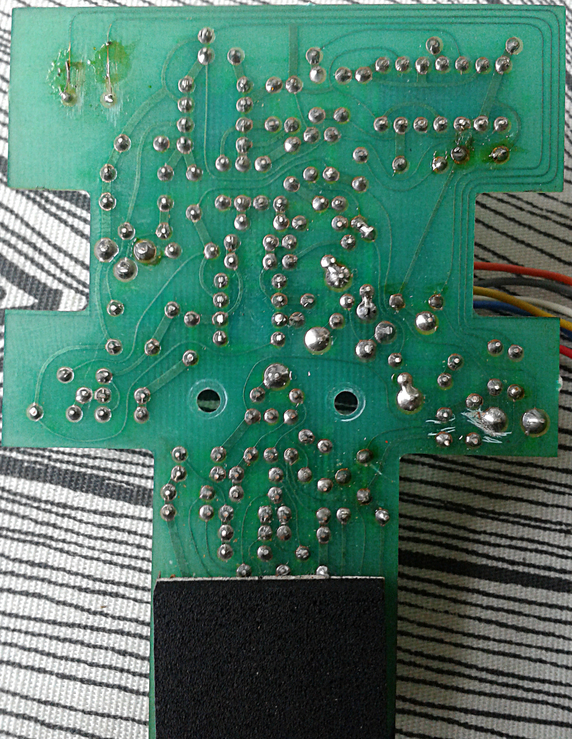
Traces look like they have been produced with cheapest methods available. This isn’t too big of a problem, but it keeps the unit from getting my complete attention. Solder joints are looking neater than what one would expect.

Carlsbro-Minifex-Flanger-guts4

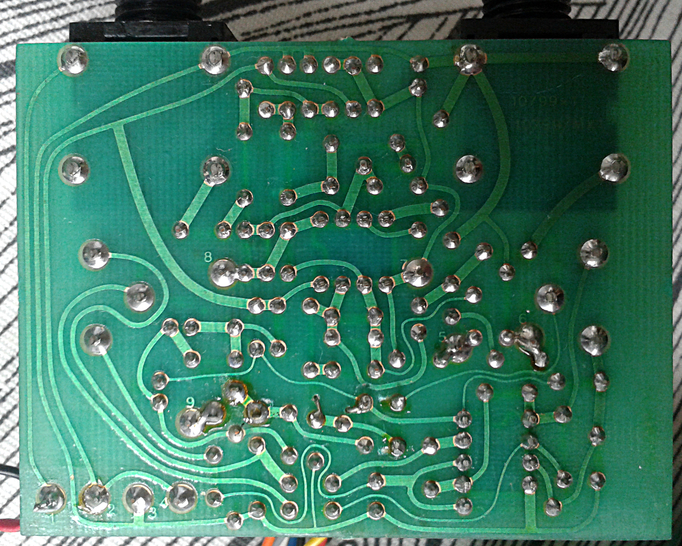
Pedal has reasonable build quality for the price range. One of these plastic peculiarities that may have been sunken to the void for a reason. I personally like it, even though it is what it is. It would be very interesting to get my hands on other boxes from this series…

How does it sound?
Pretty standard with nothing too special . Still pretty slush with some personal character to it. For the plastic feel of the box, the sound is surprisingly good. For those massive airplane flanges, look elsewhere. This has the vintage slush that many players want from their flangers. It is definitely not the worst flnger around. If these were growing in trees, i would probably rehouse one with true bypass and modern power jack to get the sound with me. With battery operated plastic box? No. I’m not taking this anywhere from home. The sound is still better than with most current production analog flangers.

Danelectro CM-1 Metal

CM1-Metal

What is it?
Danelectro CM-1 Metal from Danelectro Cool Cat series. Made in china late 00’s.

Another metal distortion. While Dano’s Cool Cat series has pleasing and personal enclosure, most designs seem to be simple rip offs with very little original in them designwise. Currently i’m not sure what this particular unit based on, but everything about it is pretty much on par with all the other units in the series.

CM1-Metal-guts1

We’ll find three separate boards inside. One universal for 3PDT stomps switch, one for in/out/dc jacks. These boards are, like i said, universal and the same ones are used throughout the series. The bottom board is the effect. Construction is mostly SMD with couple of the caps being metalized polyester. Three oapms are running the show.

CM1-Metal-guts2

I’m pretty sure this is a slightly modified derivative of some other pedal. Just can’t point my finger to any directions right now. While it may look pleasing, the control knobs are horrible. Sure they are meant to be “set and forget”, but that set once part is killing me. Dual pots with stacked concentric knobs are not a bad thing if executed like in many boss pedals. Here, the turning of the either level usually results in both setting being shifted. Annoying.

I’d be rather interested to find out what this is based on. If you have any solid information, drop a line in the comments. I may study the connections at one point. If i happen to get interested enough.  To sum it – Standard metal distortion. Not bad, but not too great either.

How does it sound?
Like so may other motal distortions. EQ section is powerful and gain plus level setting are sufficient. The overall tone reminds me a bit of Boss HM-2, but here we have separate mid control. I do find this usable metal distortion, but it’ll always stay behind HM-2 and HM-3. I’d say this goes to the same category with DOD American Metal and Death Metal. Again, not bad, but not too great either.

Ibanez BB9 Bottom Booster

BB9-BottomBooster

What is it?
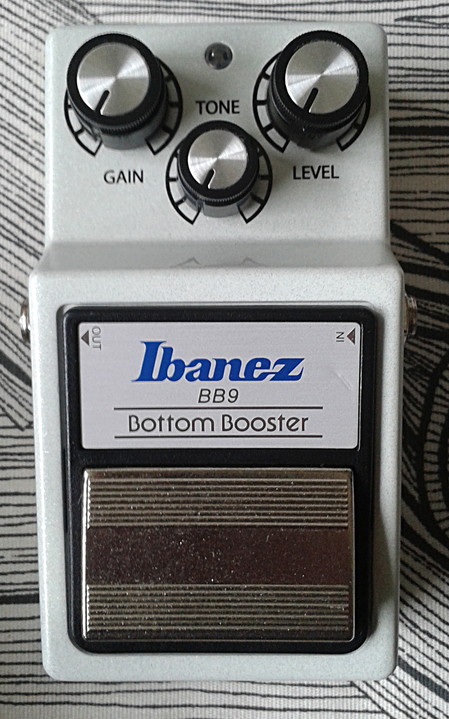
Ibanez BB9 Bottom Booster, from modern 9-series. Made in china around 2010 or so.

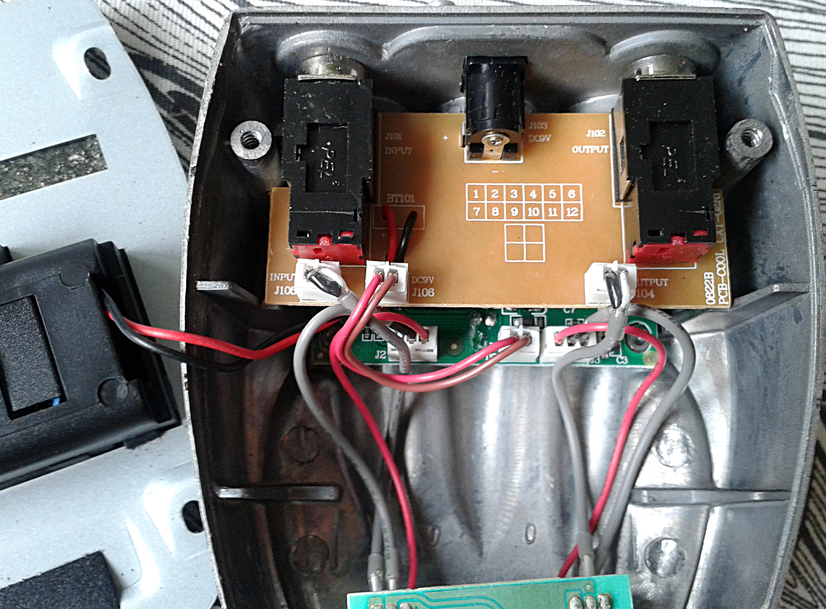
There are only a few Ibanez designs that are more like meh. This is definitely not one of those. I had interest for this for some time, before i spotted one for reasonable price tag on one auction site. This particular unit was apparently a demo unit for some store. Very little wear and nice near mint condition with original  box and papers. Played with this for quite some time once i received it. There is a beautiful traced schematic up at Dirk’s page, so there were no rush in seeing how it is made. Reason for opening it wasn’t as usual as for most pedals.

That reason being a small mishap on the studio floor. I had just recorded all base guitars for 11 tracks of 12 for the album we were doing. I thought i needed to add a bit of reverb for the other effect line. I took my previously repaired Boss RV-2 out of the bag and chained it with all the other pedal in that chain. This resulted in nothing more but a hiss. Something went terribly wrong and my BB9 was dead. I figured it had to be some sort of power surge, but since i (obviously) didn’t have suitable tools or spare parts with me, i had to make due with other solutions for the second effect line on the last track.

BB9-BottomBooster-guts1

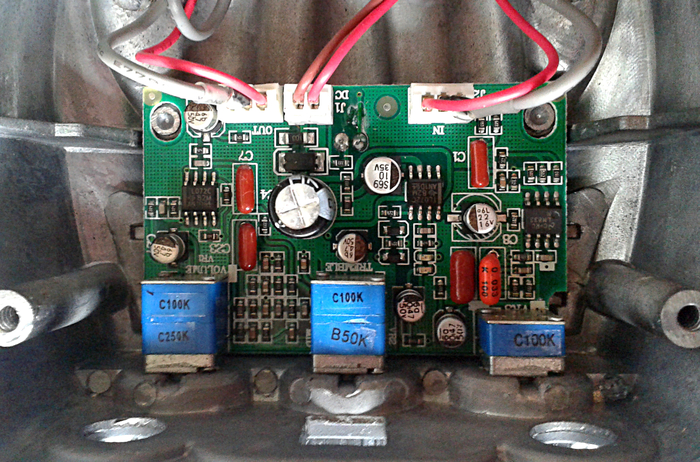
Once the unit was back at my desk, the fault was easy to track down. No power. This is where Dirk’s schematic came in really handy. Don’t know how that surge occurred, but it burned the DC-DC converter (a.k.a. charge pump) chip. As you can see in the (crappy) photo below, the chip on top left is socketed. I almost never use sockets for anything, but since the charge pump on this one *can* die, i figured it’s best to have it socketed. After swapping the chip and polarity protection diode as a precaution, the box rocks again.

BB9-BottomBooster-guts2

To get going on this post, the design of the BB9 is solid Maxon quality with modern board design and manufacturing method. If you checked the schematic linked above, you’ll see a power supply section that creates a bipolar +9/-9 volt swing with LT1044 DC-DC converter. This means that the pedal runs actually on 18 volts, using ground’s zero volts as a reference voltage.  For me and my fix, i only had ICL7660S chips at hand, but these are pin-to-pin equivalent and they can be used as a drop-in replacement for each other.

On the topology, is one half of JRC4558 acting as input buffer. Then we have dual gang potentiometer setting the level of signal passed to gain recovery and the actual gain of the clipping amp that is paired with a static gyrator that sets the boosted frequencies. After these we have active tone control to have nice control over the treble content. This leads to level control and output. Not too conventional way to create overdriven boost.

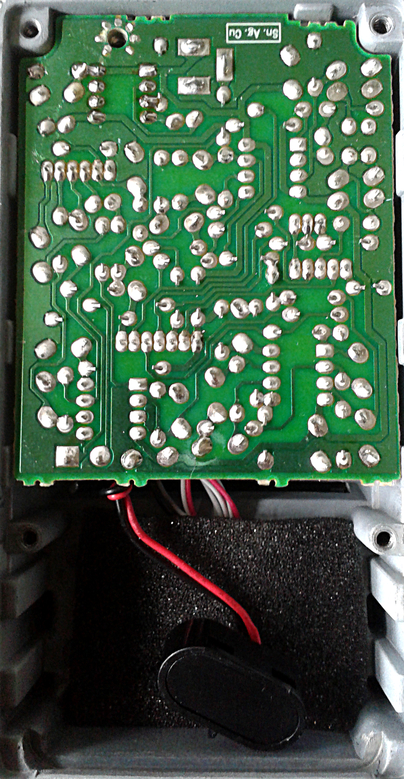
BB9-BottomBooster-guts3

What comes to box design, it surely ain’t as aesthetic as the 30 year older 9-serie units. It isn’t ugly though. Sort of reminds me a bit of build methods we can find in Marshall small metal series pedals. Pedal follows the original series on the enclosure and carbon film resistors, but not much else. Here we have four separate boards to ease the manual labor. Neat and beautiful on the outside, but pretty dull on the inside – except for the circuit design.

How does it sound?
So good that no words are enough to match it. BB9 offers mild overdrive tones with really, really good sounding frequency response. It is not a distortion nor a classic overdrive in sense of tubescreamers or others, but something that brings your tube amp alive in a manner that can only be matched by few others. Also, it’s not a clean booster. It is a pedal that will give out better, no matter how subjective that term is, overall tone. Little bit of grit and boost combined. Even the voltage swing has a strong emotion-like feeling of great amount of available headroom. This is definitely one of the greatest sounding Ibanez branded boxes. Ever.

Boss PH-3 Phase Shifter

One more Boss before moving on…

Boss-PH3

What is it?
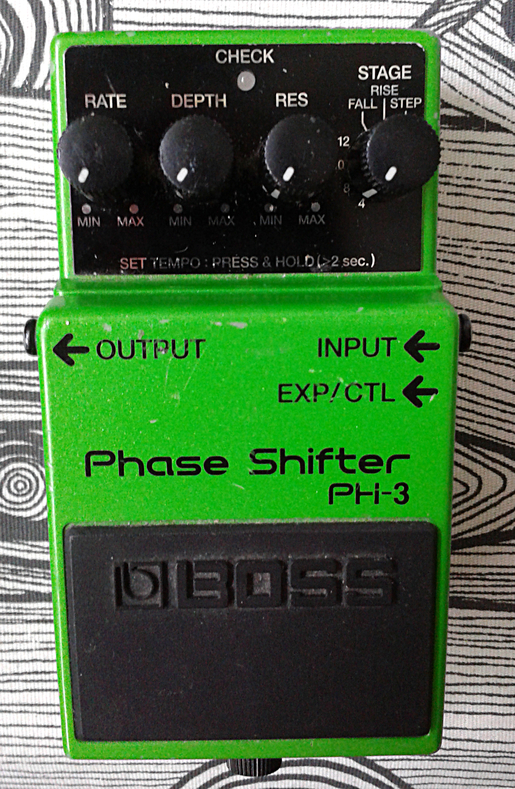
Boss PH-3 Phase Shifter from compact series. Made in taiwan, april 2008.

PH-3 marks a very first digital phaser in the Boss catalog. All the previous ones, released before the year 2000, were more like all standard phasers from any other manufacturer – BBD based analog phasers. PH-3 introduced couple of quite innovative modes to the world. Basic modes are digital recreations of four, eight, ten and twelve staged phasing. Modes that were next to groundbreaking at the time of release are rise, fall and step modes. Rise and fall modes are also known as barber pole modes. Step mode sort of randomizes the sweep, resulting in unexpected phasing sweeps.

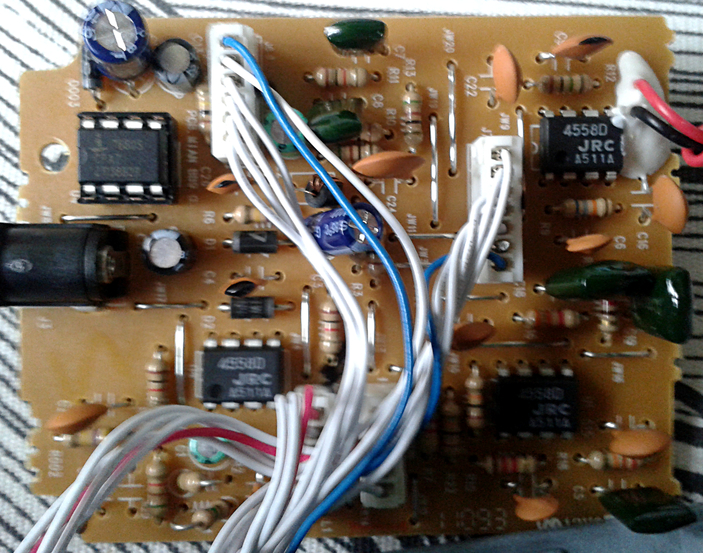
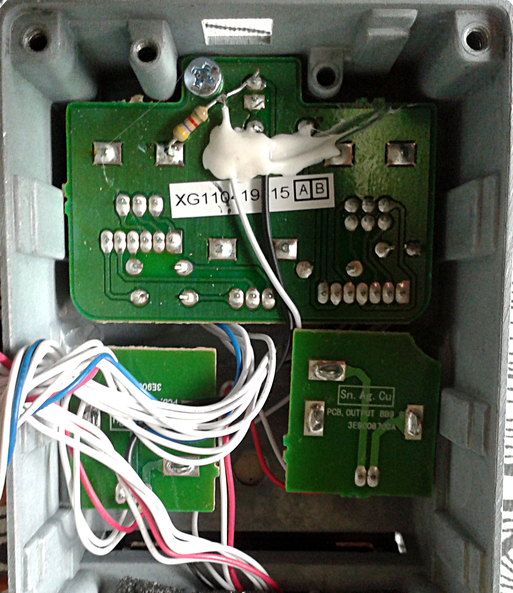
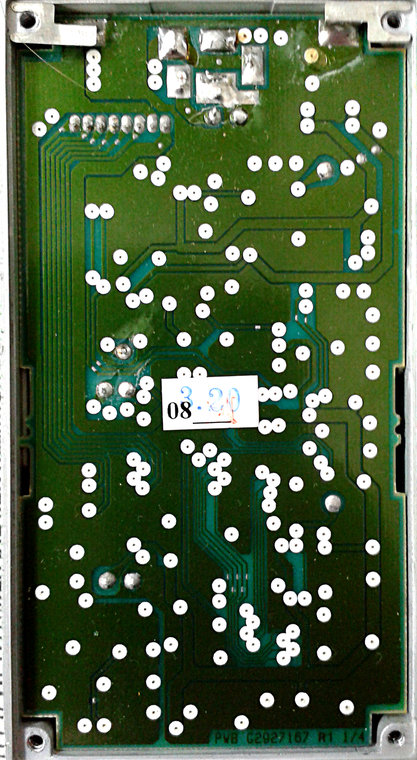
See. The new ideas on this one were so exciting that i simply skipped my normal pattern and ran straight to the features. Getting back to basics.. Board bottom looks like something that i haven’t seen in the compact series before. All  components are on the other side and the second side traces and vias look modern, but still quite new to me.

Boss-PH3-guts1

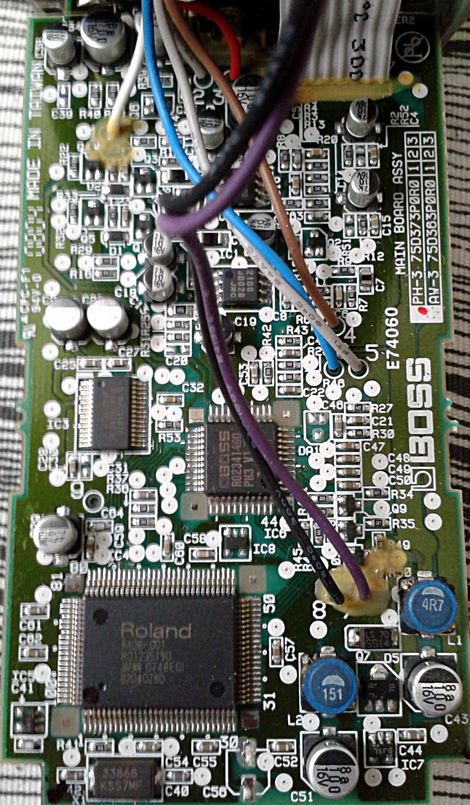
And once we flip the board over, we’ll have Roland branded digital signal processor. There’s a schematic floating around at Photobucket. To sum the design, there are analog buffers at the input and output. Connected to the mixing amplifier is the AD/DA converter chip. Which is then connected to a DSP and a CPU running at 4.233MHz. In  retrospect, a slightly faster processing speeds than what we’ll find in Super NES. Sure, i’m psyched about the geekiness of the fact. Way more than by the design itself.

Boss-PH3-guts2

Can’t help myself. These computer-like pedals can offer some reasonable tones and sometimes even something completely new. Still i’m left cold and somewhat bored by the designs. It may be just current me talking, but analog designs are the ones where the real magic happens. I see little value for a VST plugin in a stompbox. This stance may change someday. But i’m fairly certain that day won’t be any of the 365 days of 2014 or 2015.

How does it sound?
Like most well designed/programmed pedals of the modern, digital world. These things get the job done without degrading the guitar’s sound too much. Actually, little enough to go unnoticed. The modes are new and exciting addition to the pedal sounds people crave. Even though it sounds good and the old school modeling modes also sound good, there is something missing. It just doesn’t feel like a guitar effect.It feels a lot more like a generic studio tool. Exactly like a VST plugin in a stompbox. Nice thing to play around with. But. Pre 2000 Boss effects are more my cup of tea.

Boss OD-2 Turbo Overdrive

Boss-OD2

What is it?
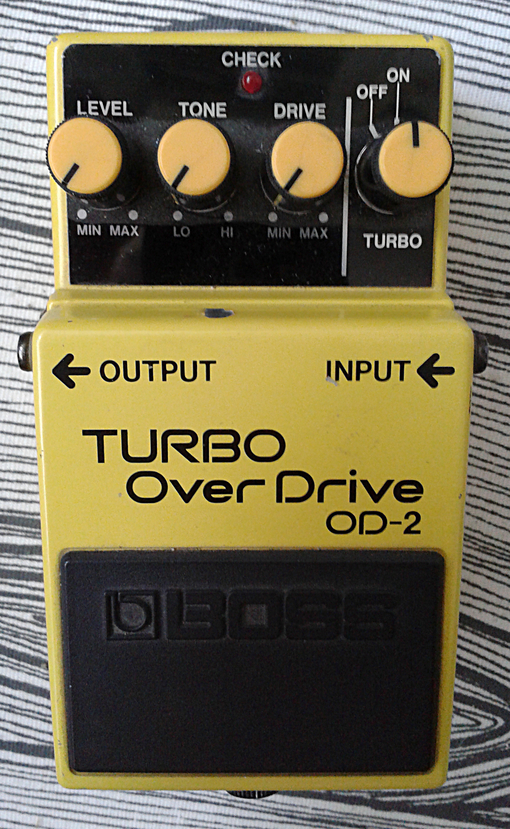
Boss OD-2 Turbo Overdrive from Boss Compact series. Made in japan, march 1986.

The OD-2 was apparent attempt to create a follower for the classic OD-1 which already had a vast user base with lots of hype going for it. In all its simplicity, the OD-1 was pretty much Boss’ venture to kill DOD OD250 and MXR Distortion. Ẃhile it may not be as widely recognized as its older competitors, it’s still a cult classic. And for a reason. The original Turbo Overdrive was manufactured from 1985 and it got replaced by OD-2r in 1994. OD-2r is supposedly the same effect as this one, only with added remote switch jack for the mode switch.

So creating a follower that would sell well and be as recognized as its predecessor wasn’t a simple task. And this is what the Roland/Boss engineers came up with. The board is pretty crowded and it has the feel of the old japan designs.

Boss-OD2-guts1

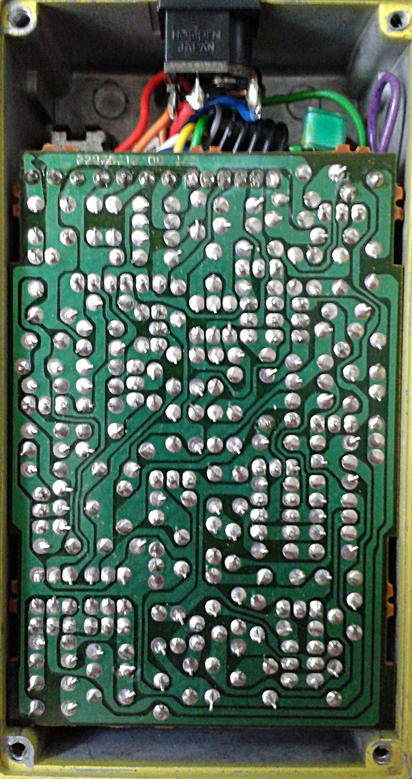
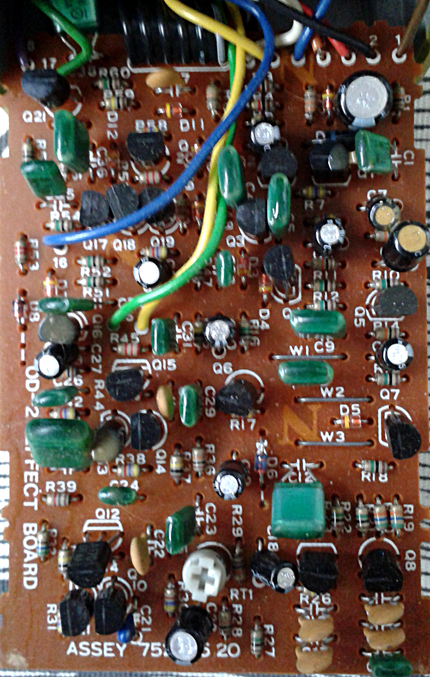
First thing that you’ll notice is that there are no opamps or any other types of integrated circuits in there. Once again, there is very comprehensive and good page dedicated for this circuit up at Hobby-Hour.com.  The page has a schematic and a semiconductor listing available. There are three gain stages, each made up with two JFETs and one PNP BJT. Not completely unlike the “discreet opamps” we seen in some designs (the BD-2 blues driver to mind at first…) The gain pot is dual ganged and controls the gain factor for two of these gain stages. The first one acts more like a boost and the second has asymmetrical clipping diodes on it. While the driver stages are pretty complex, at least when compared to very old school like tone and level controls, the wow factor doesn’t end there. Just take a look at the power supply section in the schematic.

Boss-OD2-guts2

There are two different supply voltages which are balanced by transistors, one for buffers and one for discreet opamps. These two supply voltages have their own vref voltage networks, one for electronic switching reference voltages and other for discreet opamp reference voltage. So yeah. It is pretty complex design for being an overdrive.

Well then. How did they succeed in the mission of bringing a successor for the OD-1? Can’t say for sure about the sales, but OD-2 and OD-2r were on the market from 1985 to all the way to 1999. If it had flopped real hard, it wouldn’t have stayed on the catalogs for 14 years. If you mean soundwise?…

How does it sound?
It does have a nice vintage overall feel to its sound. Tone and level controls are well balanced and the gain works pretty well too. Nice driver tones, but with massive mid-honkin’ feel. I’d say this sounds a lot closer to SD-1 than OD-1, without being too close to either one. I’m thinking this may have acted as a base when the engineers were drawing up the BD-2.

Sure it sounds ok, but i just don’t see myself using one for anything. The reason being that i find the OD-1 and the SD-1 to simply sound better.  And there are always tons and tons of Tubescreamer derivatives which can take this sound on any time of the day.

Boss OC-2 Octave

Boss-OC2

What is it?
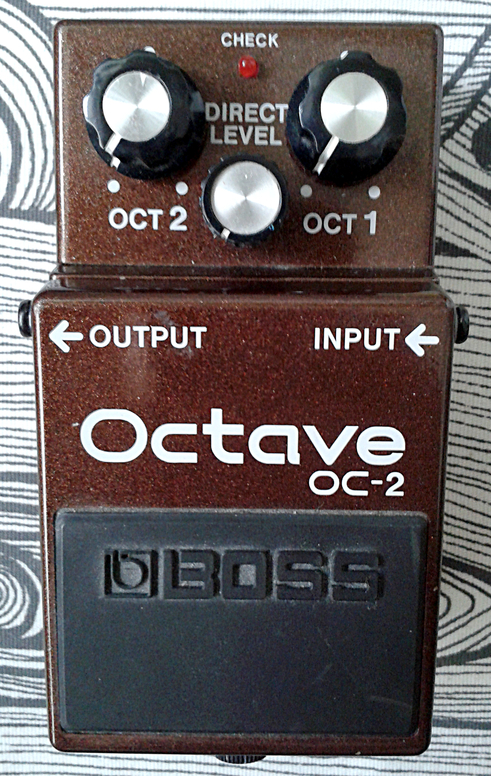
Boss OC-2 Octave from compact series. Made in taiwan, april 2001.

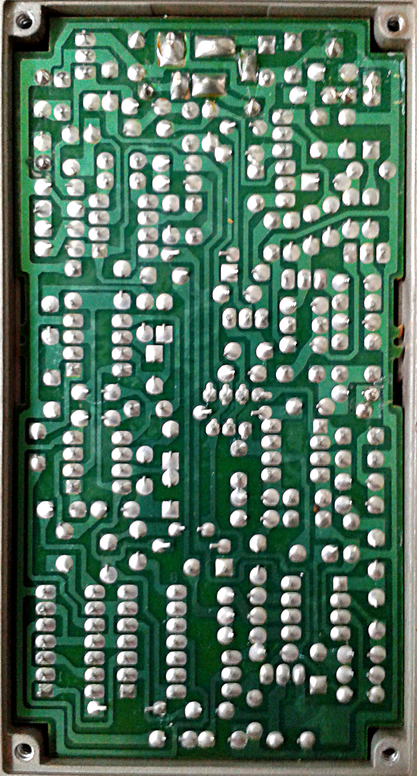
Another classic from the Boss compact catalog. The OC-2s were originally housed in much lighter brown enclosure with the label “Octaver” on them. The name changed to “Octave” in 1984, meaning that the original ones were manufactured in japan from 1982 to 1984. These first issues are nowadays highly sought after and in one word, rare. And in another, expensive. The board on this unit is definitely a later revision. There’s not much left from the old school japanese design, and has been replaced with modern autorouted feel on overall board.

Boss-OC2-guts1

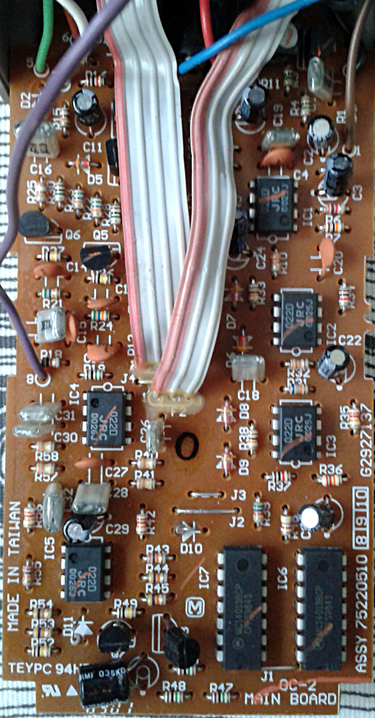
There’s a schematic with good semiconductor listings up at Hobby-Hour.com and you should check it out. This same page shows also the original board layout with original traces. There are one single  and one dual flip-flop IC on the original board design, but that has changed on later revisions. As we can see, the board of this 2001 unit has two CD4013 chips in the lower right corner of the board. There are other changes in the layout too, so the differences between a 1982 unit and this one are more than just minor.

Boss-OC2-guts2

The two octaves down are using two channels of the flip-flops and the one down is using one. So the leftover one on the modern board is unused. How do these changes affect the tone? Don’t have a clue as i haven’t had the pleasure of comparing the modern one with the original design. Features are quite simple. We have three knobs which control the levels of clean, buffered signal, one octave down and two octaves down. There are two opamp channels driving each down octave settings. These controls maxed will result in wild, not so good tracking of the down octaves. The analog feel is strongly present.

How does it sound?
The tones this one produces are very good. Where as most old school down octaves tend to feel low on down octave levels, this isn’t a problem for OC-2. The tracking on OC-2 is also very respectable. Although, once the octaves are maxed, the guitar signal still feels a bit weak to keep the octaves in tact, resulting in brain melting, uncontrollable mistracking. Paired with a compressor before OC-2 will help to keep the tracking in line. While we’re at it, a fuzz of distortion before this will also give out very nice results. I think the most well known instances of hearing OC-2 in action are the CKY albums from the 00’s.

To sum it up. This is the octave effect to have. Even though OC-2 was discontinued in 2003 and replaced by more modern OC-3, the cult reputation and usability of this all analog down octave monster is well warranted. Definitely one of the best Boss boxes around.

Boss ML-2 Metal Core

Boss-ML2

What is it?
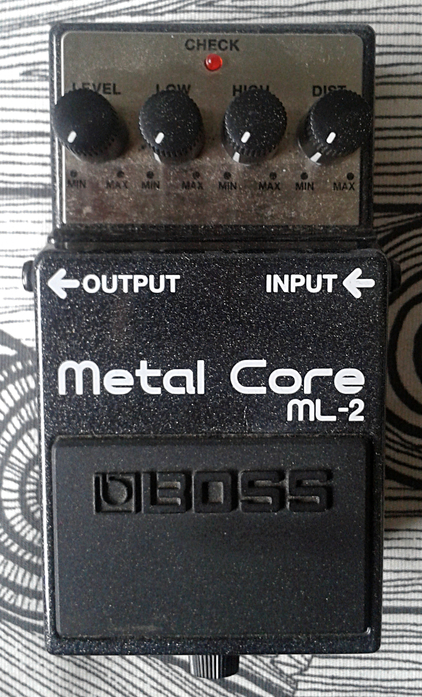
Boss ML-2 Metal Core from compact series. Made in taiwan in january 2009.

Sure, i was interested in this due to its reputation. This is supposedly the meanest metal distortion there is and i’ve heard good things about it from people who i share a lot of opinions on sounds. So i grabbed one. I’ll get to the sound part later, but even though i agree on pedal tones with only few people.. This isn’t one of those where i agree. This unit took me by surprise. First question mark rose when i opened the bottom plate.

Boss-ML2-guts1

And the second one when i turned the board over. I would have never guessed by the demos and the praises i’ve heard that this would be a digital distortion. Constructed in the most boring way with all SMD and powered by what appears to be Roland branded DSP processor. The crystal clock is placed right beneath it. There are a couple of 1458 opamps in there too, but most of the design goes way over my head.

Boss-ML2-guts2

As for controls we have standard level and distortion knobs in addition to high and low controls. I’m not sure what the designer was after and why this design ended up this way. Maybe it was to recreate the designs that became classics by updating them with a digital counterpart? The EQ may be the best part of the circuit, but…

How does it sound?
I’m sad to turn to my prejudice on digital drive designs, but this time it is warranted. Even though the EQ controls try their hardest to mimic the gyrators of HM-2 and HM-3, the crushing and soaring this one tries to produce makes me feel uncomfortable. There is enough gain and while marketing suggests this to be answer to modern, next generation of metal players tonal needs, i can’t do anything else but disagree. Metal distortion, yes. Good sounding one? No. The sharpness and unnatural honk of all digital and/or modeling drives is present. No wonder guitar music is at its all time low.

Paired with a delay and used for those 80’s german detective tv series anthems – maybe (Although, you’ll get closer to that with Digitech RP-6). For anything else? Try HM-3 or MD-2.

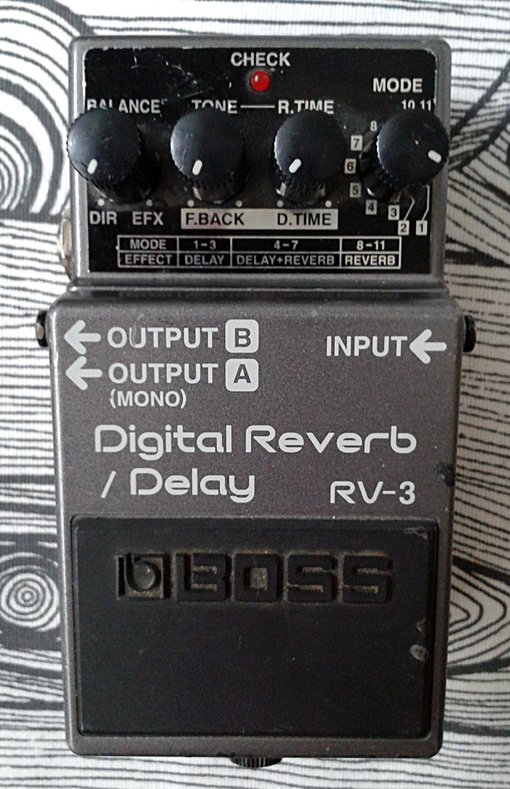
Boss RV-3 Digital Reverb/Delay

Boss-RV3

What is it?
Boss RV-3 Digital Reverb/Delay from compact series, made  in taiwan. Serial number on grey label points to june 1991. But since the units were apparently manufactured from 1994 to 2002 and the label was changed from pink to grey in early 1999, i think it’s safe to assume this follows similar error on serials as early taiwanese HH-2 Heavy Metals – being a decade off. This would mean that this unit is really manufactured in june 2001. Which makes a lot more sense.

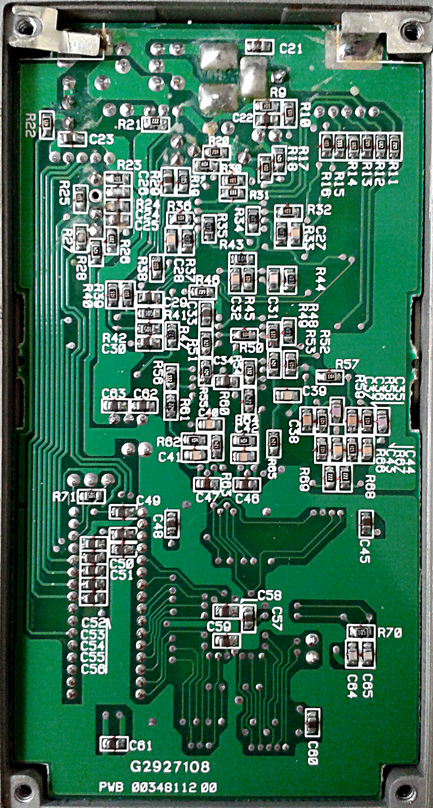
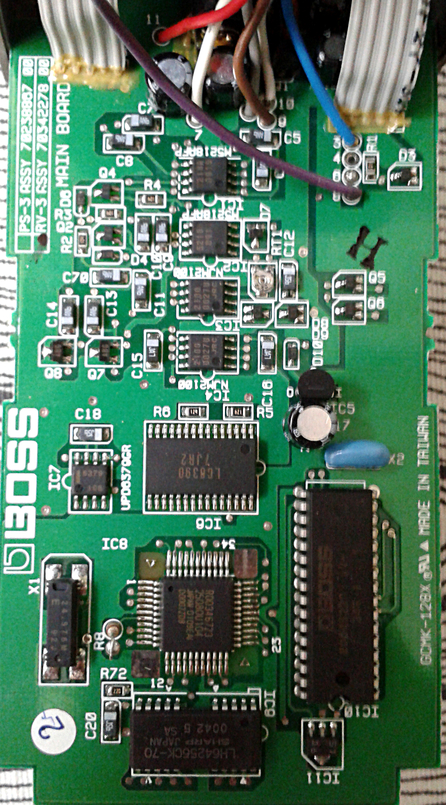
RV-3 is a second generation of Boss digital reverb pedals. Sharing the color with the ground breaking RV-2, but housed in standard compact pedal sizes enclosure. As it’s predecessor, the full blown SMD design was expected. Where the RV-2 had two boards stacked the RV-3 has only one. It is as tightly packed on both sides though. The circuit footprint is way smaller and the features are doubled. Who doesn’t like to live in the future.

Boss-RV3-guts1

There’s a schematic up at FIS, if you’re interested. It shows pretty standard buffering and mixing with simple splitting for the stereo outputs. The digital part creating the reverb behind the mixing is pretty complex. Apparently the same digital setup can be programmed to do other things in addition to reverberation. The schem has “PS-3” printed on it, so my guess is that they have been using the same board for these two different effects. Maybe even more pedals share the same DSP architechture.

Boss-RV3-guts2

Board design is very modern looking. There are 11 reverb and delay modes with reasonable controls over the main parameters. Mix control for all modes. Time and feedback controls for the delays and reverb time with tone to control the high end damping of the reverbs.

How does it sound?
Very good with lots and lots of usable modes and the stereo output also adds to the usability. The digital signature that usually takes the edge off from so many designs is practically nonexistent. It’s not harsh sounding but a lot closer to natural. There’s even a feel of the expensive rack mount effects present. Wouldn’t call it “warm” or analog-like, but still pretty good. Most negativity comes from standard Boss facelessness. Not too personal and not the greatest pedal ever made – but still. Very very good. And this will see use as it’ll suit many situations of use, easily.

Colorless writings, part 14 – Overcoming the shortcomings

So what shortcomings are we talking about this time?

Shortcomings of a classic fuzz circuits. Sure i could rave on about hundreds and hundreds of boosters, overdrives and distortions that simply can’t overcome the unity level of your guitar. In my books that’s a shortcoming. But maybe i’ll reserve those for another part of my writings. Let’s just go with the fuzzes for now. To get to the bottom of this behavior, we must understand what the guitars were like 50 years ago. The term “vintage output” for pickups does have a meaning. DiMarzio was the first manufacturer to offer aftermarket pickups. Meaning that before 1972, swapping the pups for better ones wasn’t exactly an option (for the word better, we’d need to define what’s better, but you’ll get the idea). Swapping pickups on existing guitars and paying more attention to those became widely popular later in the eighties. Which means that all the classic effect pedals from 1966, all the way to beginning of 80’s were designed to work with old school standard pickups that were shipped with sold guitars. Usually having  low or lowish output pickups. Think about PAF style humbuckers for example. They have very nice tone, but the output is still low. I’ve noted before that once your pickups have high enough output, that can turn the effect to sound mushy, and simply put, bad. Other chance is that the output is too high for the circuit design to add any real current to the signal.

To me, it’s very annoying to notice that otherwise good sounding re-issue of Fuzz Face can’t boost the signal coming from my favorite humbuckers. Now, these humbuckers give out highish output and they sound reasonably good without being too harsh. When i play with clean sound for most of a song and want the upcoming lead to stand out, i simply can’t choose this Fuzz Face re-issue to be the pedal to do that. Not by itself, at least. I’ve seen this same behavior with many other effect designs from the past too.

Got it. So how to overcome this issue?

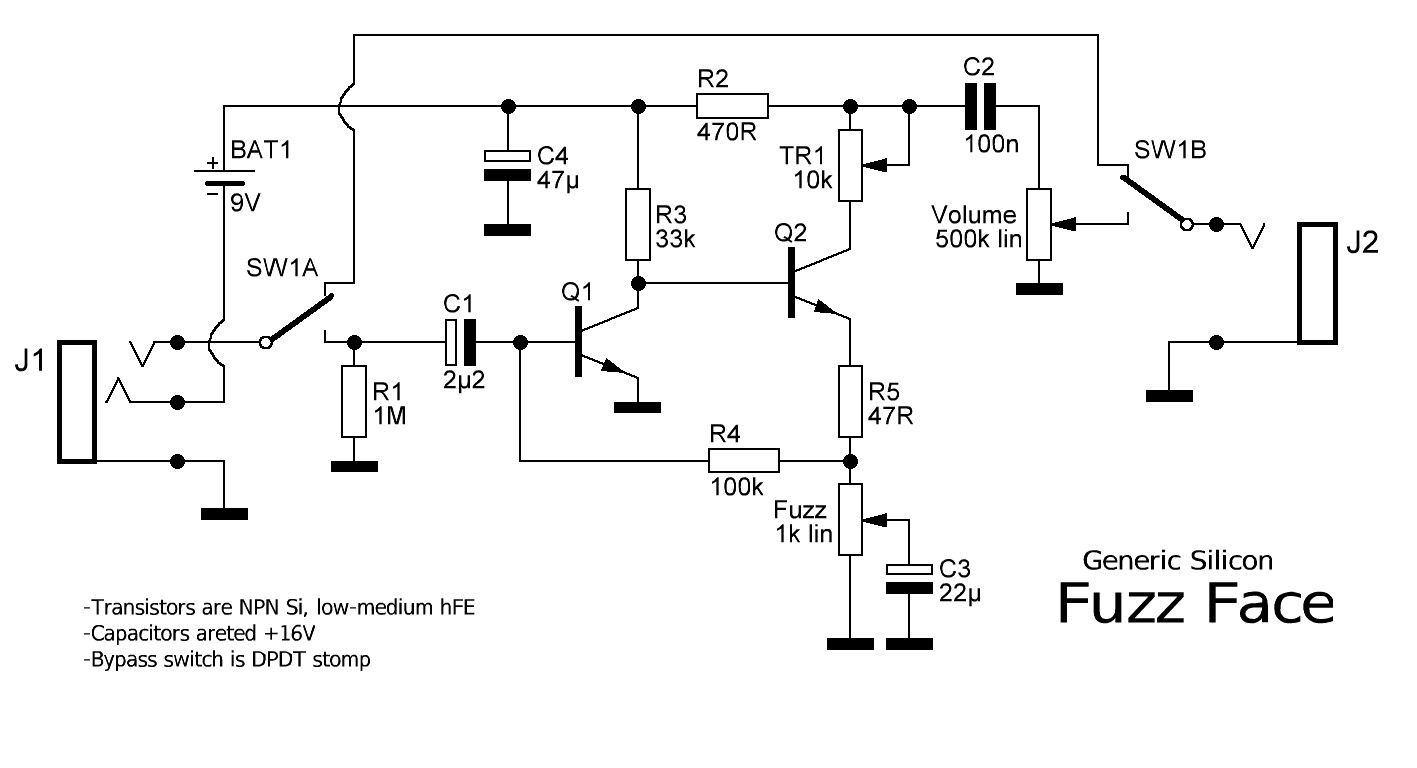
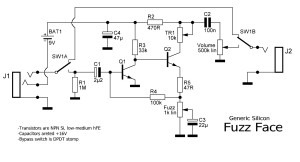
Breaking every single rule i ever had for my colorless writings, here’s a schematic for very generic silicon fuzz face. (Sure, these images have no color except for black and white, so i can let it slide)
Generic-Si-FuzzFace

You can find about a hundred similar schematics with internet image search. There is also very comprehensive article published by R. G. Keen. But i’m talking about simple silicon version with common negative ground power requirements. The 47R resistor from Q2 emitter is there to tame some of the hiss, oscillation and excess noise that high(ish) gain silicon transistors in this configuration can be prone to emit. The TR1 is a trimmer for tweaking the bias voltage for the transistors. I always tune bias by ear rather than using some known voltage. Every transistor is unique in their gain factor and the pickup signal is another factor for the correct bias,  so one exact voltage for all situations won’t cut it. Plus the controls on the classic pedal are, in one word, crap. 1k linear pot for fuzz control means that all the usable range is in the last three percent of the sweep. And i don’t want to go further to the volume control. To sum it, both controls have one usable location. That being maxed. Anyway. This is the circuit that sound very nice when played on single coils with vintage output. Circuit can do some boosting in this scenario. But since it simply cannot do that with modern pickups. If you have ever tried a clean booster after a FuzzFace in you effect chain, you know that will sort the problem. It isn’t very convenient solution though. To change from your base sound to soaring lead, you would need to jump on two stomp switches. So why not take a simple one transistor boost circuit and place that after the standard fuzz as an internal post boost? This way we’ll have most of the original tone and frequency response in tact, but we are addressing the low output.

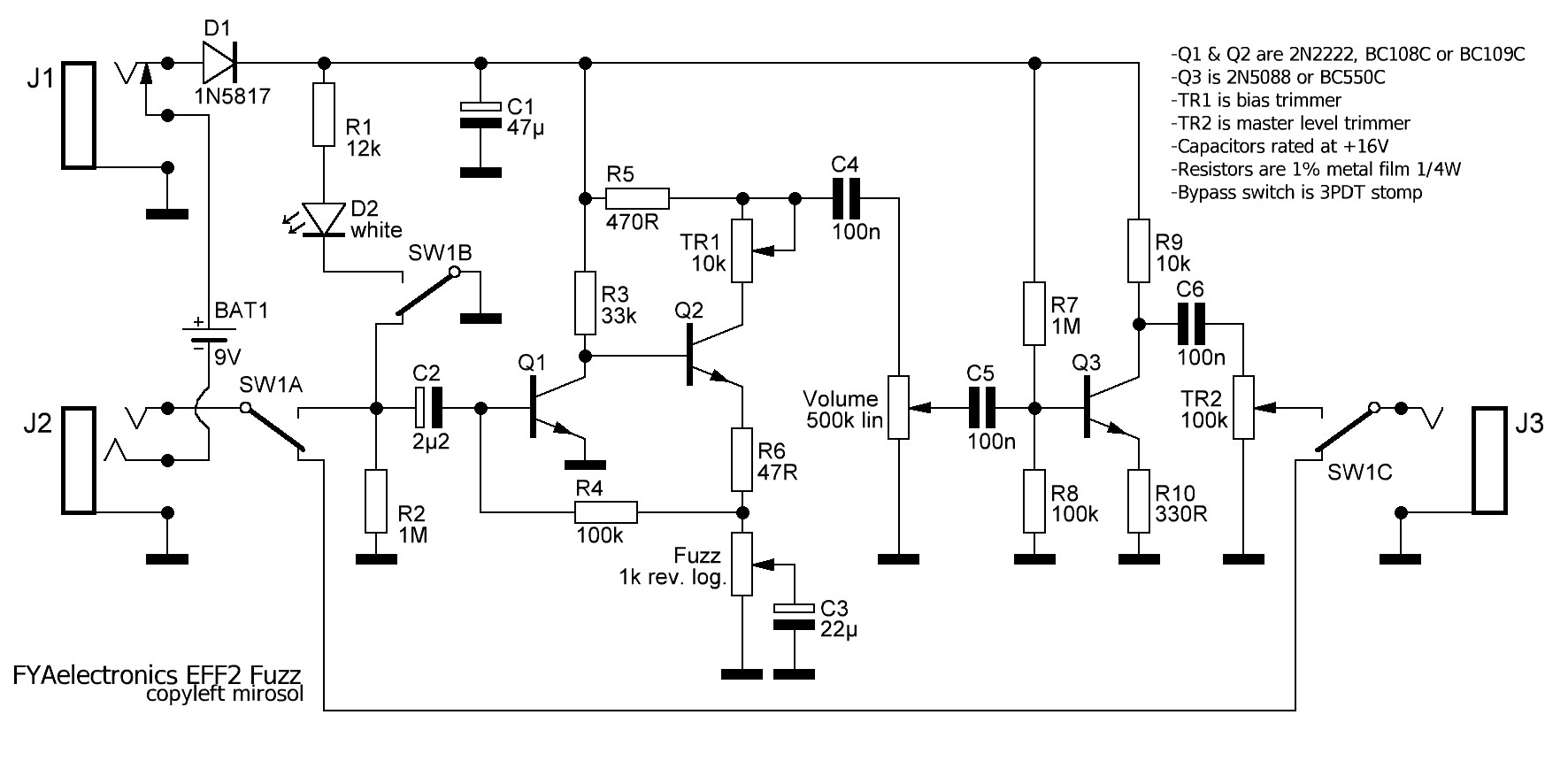
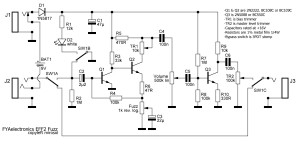
Here’s my evolved Fuzz Face. Standard fuzz circuit with a bias trimmer and everything exactly as before. Minus the reverse logarithmic taper for the fuzz pot. The output has been dramatically improved.
FYA-EFF2-Fuzz

There is nothing exactly new or special about it. If we look at some details, there are your modern standard 3PDT stomp for true bypass, including a 1M pulldown resistor at the input to address possible pop side effects caused by mechanical switching. One could, of course, use way higher value for that resistor to prevent it from loading the input. This switching method also grounds the circuit input when bypassed and there’s a 12k resistor for bright white LED too. DC connection is wired for standard battery (which i never use for my builds) switching, which takes the battery connection out once the input jack has been disconnected. Power supply section has a 47µ filter cap and a series polarity protection (taken care of by low voltage drop Schottky). The base topology for the fuzz is in tact with its 2µ2 input cap, bias trimmer and a swapped reverse logarithmic fuzz control pot. There are other ways to gain reasonable sweep for this control by creating a custom taper, but for this drawing we’ll settle for rev. log. Some might have noticed that the fuzz output cap value in both of my drawing is 100n. Many similar designs have a lot lower value in that position, which leads to more tighter, trebly and nasal overall tone, especially when the level control is maxed. Personally i like the feel of a fatter tone, so 47n or 100n for me. Now all up to this point will produce the same tone as the smaller, more generic example.

The rest of the circuit is not completely different from one classic one transistor booster marketed by one Electro-Harmonix. It is a simple one transistor amplifier with low parts count that colors tone tone only a little. The output of this amplifier is coming to a 100k trimpot which acts as a Master Level trim.

Why do you have the level control for the fuzz where it originally was? Why not use that Master Level as an level control?

Good question. And i have a simple answer. To keep the frequency responce of the fuzz as close to the original as possible. Since the boost amplifier colors the tone only a little, we don’t want its output to change the frequency response in the same manner as the fuzz’s level control does. Instead of this arrangement, we coud use a JFET or even an opamp to boost the ouptut, but former would be better off with a bias trimmer and the latter would need its own refence voltage network. To keep everything simple and neat, its not a bad practice to go with this solution. Ah. There would be so much more to talk about what’s going on with this circuit. But i’m going to leave you with the information above and two notes – Breadboard it. Fuzz face is a highly tweakable and good sounding tiny circuit. There is always room for more and more tweaking. You should try to make it better for yourself. And another; want one? Sure, i can build you one..

« Older posts Newer posts »

© 2025 killall -9 humans

Theme by Anders NorenUp ↑